What is a Trout Worth?


Those who I have the pleasure of taking riverside to chase trout with know, my passion for wild fish, especially wild westslope cutthroat trout, runs very deep…to use the cliche’. I am at home, gliding along the currents, down the seams, through the runs, and around the back eddies of my glorious homewater the Yakima River. My oar strokes sharp and firm, my boat responsive, a sweet drift, a fish rising, the sound of a reel zinging, a smiling face, an ecstatic guide, a beautiful trout for all of us to share a moment with, and a quick and wet release…so that tomorrows’ clients have a shot at it and its offsrping.  

I guide because these trout need our attention. In my experience with the outdoors the only way people will ever care about it, protect it, conserve it, is if they are able to enjoy it. It is our first and most ancient form of entertainment and enjoyment. It is our playground, this planet we take for granted is ours, we are in charge. We are responsible for it. For me I take responsibility for the Yakima River and the wild trouts within her. For others it may be mountains, trails, bears, spotted owls, wild steelhead, salmon runs, old growth forests, deserts, lakes, you name it the outdoors has something for everyone to care about and enjoy. Its how we connect with the world we live in. The real world, not the smartphones, and netflix. Not facbook, and the reality TV. We connect with nature, hell there are even studies showing time in the outdoors is healthy for us.

From seeing a bald eagle for the first time, a big horn sheep, a wild trout, or even a lonely kingfisher, there is a myriad of natural things to enjoy and be entertained with when drifting the river. Its not always about the trout. Sometimes for me I just enjoy rowing the river and moving my boat around the seams and currents, playing with the river if you will. And sometimes I find new ways to fish, new angles, things I didn’t notice or quite see before. I have had trips this season that have very little fishing involved. More discussion and education. Others that were intense days of targeting trout and bringing them to net and enjoying every completely F’ing awesome second of it. That moment with that trout…instills something in every angler…if I do my job right. It also instills something in me every time I reach my net into the river. 

We are at a crossroads with our river. The drought is killing fish, and damaging the ecosystems that we hold so dearly, at a record pace. Sturgeon and Salmon are dying in the mighty Columbia, tributaries are boiling or drying up. Fish are dying…a lot more will die. The Yakima River is one of the only rivers in the west surviving the drought. The trout that we cherish and enjoy angling for, are our responsibility. We trick them with flies, we release them, we continue to invade their natural world, we owe them the coutesy of taking every effort to care for them as if they were our children. Our river is barely hanging on and our fish are on the line people. We must treat our trout with the utmost respect this season. From the 6 inch dinker to the 24 inch hogzilla. Keep these trout wet.  

Is a fish worth a photo? Because that photo may be its tombstone. It may be the last time anyone ever sees that fish. Think about that this season. I am heart broken that I witnessed the death of a prime Yakima River specimen in the Lower Canyon last night. Even doing everything right the fish was over stressed before we even accidently hooked him. Watching a wild trout go belly up and knowing that I was the cause even though I did everything right in that situation was detrimental for me. In 10 years I have had now…4 bad releases on trout. One dinosaur that did not survive the fight in the company of two seasoned guides that did everything they could to revive the trout. Two to deep hooks, and one…to warm water, over angling pressure, and one last drift of the fly. It happens, its part of the gig. You learn, you educate, and you move on and become a better angler.  

These wild trout are precious to us. They are precious to me, and my family. I make my living off of them. I want to continue to do that for years to come, so that one day I can float with my grandchildren down this river and net cutthroat and rainbow trout and share moments with them all. I make my living off of them so that I can continue to protect and care for them.  

Without the trips I take people on and get paid for, I would be unable to continue donating what seems like every minute of my time to them. When my boat pulls into my driveway after rowing 8 hours, I come in, talk about trout with my lady and children, even my dog. I tie flies for the next round, I think about how to better dress a fly to produce more fish in the net for clients. I think about hatches, and compare them to previous years, the weather, the flows, the temps, the stress I am putting on them. Did I just float that section? Yes, so I should swtich it up. Give fish a break. All of that and more run through my mind when I get off river. Somehow in between it all I find time to be a dad and husband, play video games with my son, hang out with my toddler, and listen to my eldest tell stories and watch nerdy movies with. Plus I fish on my own…a lot. Without my clients I would be unable to attend clean ups, take samples of algae, snorkel the river to check on fish, hike into the headwaters and take water temps, remove rock dams, save dying fish, educate other anglers and guides, introduce people to new places, attend meetings about conservation, count fish, the list goes on and on….

I love every damn minute of it people. EVERY MINUTE. I love my life and the type of lifestyle being a guide graces me with. My family does too. My minions look forward to doing shuttles with me in the upper river. They ask me about my fish. They noticed I was upset about a bad trip I had yesterday and we discussed warm water, fish handling, and why these trout need our care. They are 6 and 8 years old, people. They get it. They comprehend it. They appreciate what I do for a living and undesrtand that without proper care and protection they may not be able to fish like dad in the future.  

I have received a lot of heartwarming praise the past few days. I have been called a headwaters hero by people I respect and admire as anglers and people. I have fought for these trout this year and it has brought me heartache and grief, and absolute happiness. The efforts of a few can influence many, and diligence and determination win out. I have the patience of a seasoned fly angler and to date, nothing deters me when it comes to my trouts.  

I applaud the individuals that are making the effort to protect and conserve this watershed. I have to praise Joe Rotter and Red’s Fly Shop for their proactive approach to these warm water drought conditions with a voluntary Hoot Owl for their guide service in the Lower Canyon. This type of action is the management we as guides and stewards for the Yakima River and her Trout can be a part of as a community of anglers. No matter if you work for an outfitter, shop, are an independent, we all can agree that protecting this watershed should always be part of our job. We are doing the right thing with our river and I encourage all anglers that visit the Yakima River to care for our trout and use good angling and fish handling techniques. Voluntarily engage in the Hoot Owl hours and do not fish the Lower Canyon after 2 pm until water temps and conditions change. Take a guide and fish with them and learn about the river and what is going on. Fish for the trout, for the love of all that is holy fish for the trout! A guide like myself, will make sure that when we fish, I am giving not only you, but also the trout, the best experience I possibly can.  

I will continue to run trips on the Yakima River to chase these trout as long as conditions allow. Most floats that are scheuled will be in the early morning until the fall. We do not fish water that is 65 degrees and up in my boat. 68 or 70 may be the cutoff for others and that is within the scientific ranges to be safe. Professionally and personally, 65 is my limit.  

I also ask anglers to be open to other angling ideas. Bass fishing or other species of fish on the fly can be incredibly fun and challenging. I will be offering $375.00 Guided Bass Trips for the remainder of the season. I’m pretty good at tricking some of those greasy bucket and small mouths. Carp and trout lakes too. Even some musky hanging around the basin that we could go for.  

I also call on the Dept. of Agriculture, and especially the Forest Service, to begin considering opening guiding via special use permits to lakes and rivers in the National Forest Service Land for next year. To relieve pressure on our Yakima River and to bring more people to our natural places to recreate, spend money, and conserve, we need professional guides like myself, to facilitate those moments of inspiration and wonder that we all search for when we answer the call of the outdoors.

Thank you to all that have contaced me and thanked me, to those that inspire me, to every single one of my clients this season. Every one has learned about the conditions we are facing and the work we are doing as a fly fishing community here to protect our river. Thank you for taking trips with me and allowing me to continue doing what I do here. I look forward to fishing with many more this season and for many seasons after.

For the love of the trouts,
Tamarack
Guide Season

Hey everyone!  It’s been since May that I posted an actual blog. Mostly because it full on guide season. I’ve got a lot of blogs rolling around in my trout nerdy noggin right now and they will begin trickling out in the coming weeks. 

So, give me a call or an email and come fish with me and maybe your trip will end up as one of the blog posts. 

Tamarack

Funkiness Leads to other Species

I have no BEARD!!!
                 I have no BEARD!!!
So…its caddis time.  I have a love hate relationship with caddisflies and trout.  The hatch here on the Yakima can bring the best and the worst out in the river, the trout, and anglers.  Its been frustrating to say the least.  An early start, weird water conditions, bloody salmon smolt everywhere.  Dry fly fishing is sporadic at best in the upper and meh in the lower unless you are fishing from 7 to dark:30.  It gets better but with all this food and low flows, trout are lazy…and lazy fish don’t eat.  I also believe that trout are feeding into the evening.  With the hot weather, direct sunshine, and low water, the water temps fluctuate a bunch, especially up here in the headwaters.  This is causing fish to be more nocturnal, when the water temps are prime during the evening…the trout are more active then.  Meaning fishing tends to suck major butt during the day.  This has been proven to me over the past several days by tough and sporadic fishing.  We aren’t even seeing fish feeding under water in this low water.

So what does all this funkiness do to the weary troutnerd wishing for better more consistent days of trout chasing?  Well it drives him a little bonkers, and I have been beating my head up against the bow of my driftboat for to many days in a row now as I have literally done everything to try and get things dialed in.  Even fishing super early in the morning…not productive.  If the fish are eating…its at night and willy nilly throughout the day.  Bleh…bummer…ugh.  Even my conversations with fellow guides and troutnerds alike are giving me anxiety.  Fishing is slow, but then again, referencing my journals from previous years…its typically slow before and right after the MDC (Mothers Day Caddis) hatch.  Summer flows will be low this year so it will be an interesting year all around.  This means that fishing the Yakima may not always be the best option for taking a guided fly fishing trip, I said it…it’s the truth. Luckily, Yakima River trout are not the only trout or the only species of fish that I chase.  Being a versatile and experienced angler comes in super handy now. 

This brings me to two things.  One…to keep from going absolutely nutter because of the funkiness….I start working my way higher up into the mountains where things are more stable, less effected by the weirdness, and trout are more eager to eat as the season starts early for smaller mountain stream trout.  Walk and wading the upper river and its tribs is going to be a very normal thing this year in my opinion and I am already out hiking the banks of other rivers that feed the Yak in preparation.  Two…other species of fish.  I don’t snub fishing for other species.  I just happen to be a trout minded individual.  Its the way I am wired.  But I didn’t always fish for trout.  I grew up with bass on the brain for a long time.  So something I do when things get Funky is go chase something else.  Its like getting the Shanks in golf…sometimes you just gotta change it up.

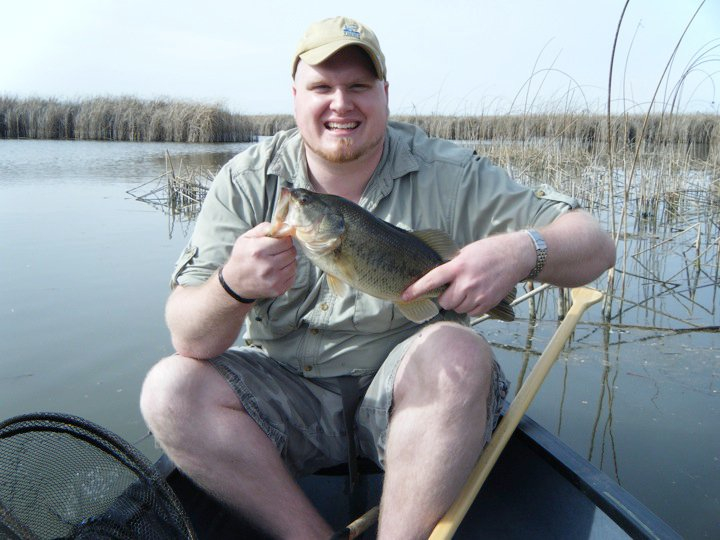
So, tomorrow, I am going to chase my old friend Mister Largemouth and Smallmouth on Stan Coffin Lake in my stomping grounds of the Columbia Basin just east of us across the mighty Columbia River.  Bass fishing is a little less involved than trout fishing.  Less specific really, and while I could delve into the intricacies of bass fishing both on and off the fly, I won’t today.  I will simply say, its fun to do, the flies are cool, the fish are typically HANGRY and full of awesomeness, and it keeps my trouty brain sane.  I also have a guided bass trip coming up next week so I need to prep for it.

So when the river gets funky…its time for a change of species, or scenery, or watershed…or all of the above.

See you Riverside…or Lakeside in this weeks case.

Tamarack

The Yakima River is a Caddis River

I love mayflies. I love tying them, I love fishing them, I absolutley love watching trout feed on them. But the Yakima River…my glorious homewater which does sport some epic mayfly hatches…is a Caddis river. 

top water patterns for yak caddis

 The Mother’s Day Caddis or American Grannim is the most abundant and prolific hatch that our river has to offer and our trout know this best of all the species that dine on the aquatic little moth thingy. 

It’s a quirky insect. One that troubled anglers for decades. The 70s brought us new science to help the angler better understand his quarry.  Anglers such as Gary LaFontaine spent countless hours observing trout and their secret and intricate relationship with the Caddis. His book simply titled Caddisflies is amazing. Read it. 

Back to the Yakima River, the Caddis are early this year. And the trout are already on it. The Yakima River gives up her secrets willingly during this time. Knowing how to properly and accurately break down a Caddis hatch can give you some of the most memorable and enjoyable days of fishing on this river. 

While the Lower C is the place to go for the Caddis Hatch it happens on this whole bloody river and trout know it. The upper fished just as good as the lower in my opinion and cutthroat get stupid for Caddis. The trick is getting the timing right. Caddis hatches typically fall into a rhythm and follow that pattern for the course of the season. 

Throughout the season the hatch will come off later every night. Sometimes a few minutes some nights a whole half hour later. Pressure and temperature are a factor as well as water conditions. Hence why we have an early hatch. Everything is a bit funky so things are early.  The best way to get the hatch dialed in is to be on water and observe it and fish the tail end of it making note of when it started and then hit it the next day. Or…go with a guide or a friend that is already dialed in and knows when to get on it. 

my deep water pupa

 Knowing when the Caddis hatch pops off gives you your midpoint when making a game plan for fishing. Two hours before the actual hatch I typically start throwing a deep water Caddis pupa as a trailer fly under a stonefly nymph. Then about 40 minutes before the hatch I switch to a hopper dropper or a light indicator set up with a weighted Caddis pupa or soft hackle pupa, two feet down or so, waiting to see if fish have moved into position for dry flies.  Swinging flies at the end of drifts every time. The second I see fish start to boil I grab my dry fly rod. 

mmm caddis pupas

When fish are boiling you will typically see dorsal fins and tails or just the backs of the fish. This means they are eating emerging pupas as they are making their way to the surface to hatch. Throwing dry flies will get a few bumps but to catch all the fish in the river, a sparkle pupa 18-22 inches below a small tuft of yarn tied into a blood knot above the tippet, or as a dropper, is the way to go.  This is where fish gorge themselves. 

Next for me is a special little emerging Caddis dry I tie that works really well for fish that are eating the struggling emerging Caddis on the surface. Typically the first time you see noses breaking the surface. Especially slow sipping noses of smart large wary rainbows that won’t eat an elk hair that floats by bit will smash a Caddis emerger….mmm Caddis…its what’s for dinner.

Mmmm

Big trout are smart. The typically eat two stages of the Caddis hatch…the emergers…and the spent ones. We will get to that later. 

Next is when the fish get silly and will take anything. Sometimes it’s only about 15 minutes of the actual hatch. The frustrating sweet spot everyone looks for when they are fishing Caddis patterns. It’s there…but it’s easy to miss and I tend to not worry about it so much. The emerging insects when fish are boiling is where it’s at dudes…listen to the trout man. 

Once the furor of fish eating is over…it’s time to switch to wetflies.  A soft hackle with a little Antron and a wire wrap is all you need. Slinging that thing into softwater, eddies, and the foamy stuff for the big trout coming out at dusk, away from the chaos…to sip peacefully on spent Caddis as they collect in all the trouty places of the river. 

Peaceful that is, until you stick a 20 plus incher that isn’t very happy about you F’ing up his chi, and it’s show time. Wild Yakima Trout at their finest. Jumping, yanking, taking line, giving guides heart palpation’s and making novice anglers buttholes pucker. Ya you know the ones I’m talking about. Those crazy big fish that usually pop off right near the boat after you think they are tired out. Mmmm…ya we like those trout…we like them a lot. 

Those are the times I’m coming into the take out at 8:30 or later with a headlamp on. Good times. 

So that’s how I break down the Caddis hatch. It’s one of the only hatches where I’ve actually caught 60 fish in a day.  That and the cranefly hatch…mmm craneflies. But that’s for later. 

See ya riverside. Bring the Caddis…it’s what’s for dinner. 

Tamarack

Driftboat Love

I run my fingers along the side of my driftboat.  Its polyethylene roto molded hull smooth to the touch.  She’s one of a kind on my homewater.  The big plastic bath toy as I like to call her.

I heft my anchor into its place at the stern.  I drive my trailer down the ramp and hop out, always reminding myself to punch the parking brake.  I get anxious with the ratcheting sound of my winch unloading as my boat slides into the Yakima River with a thunk and a splash…she is at home now.

It’s just my boat, the river, and me today.  I have been guiding several days this spring season already and I have not had enough time to chase the wild trout within the waters myself.  It is time.  I say goodbye to my lady as she pulls away with the trailer.  I won’t have contact with another human for the next 8 hours if things go as planned.  I like to fish the off days during the week as I typically get the river to myself.  I put my phone on silent and block all incoming calls, I turn up the bluegrass, light a smoke, and push off away from the launch and down river.

A favorite section of water I have chosen for today.  The fishing has been slow, but sometimes…its not always about catching fish.  I feel the crisp spring morning on my face, the faint sight of my breath, the soft noise of the riffle I am floating through.  I see a good trouty hole, one I am familiar with.  A long shelf, with a deep slot along a large run.  Money water.  I slide into the slack water and drop the hook.  The familiar sound of my chain and cylinder anchor splashing and rolling along the bottom for a few seconds before it holds brings me to my feet.  I grab my Winston, rigged with a single stonefly nymph, and a tuft of yellow yarn a few feet up the leader.  The worn cork feels at home in my hand.  A distinct spot in the cork where my thumb rests feels as if I am being reunited with a long lost appendage.  I pull the indicator line out and begin my cast.  The sound of the line and fly through the air settles my soul.  The river calls to me and I place my fly in the seam.  The indicator dances down stream drag free and effortlessly.  I cast again.  The indicator pulls slightly and I lift my fly off the boulders below.  I adjust my depth to keep the fly slightly higher in the water column.  The increase in flows should push the fish into this area like my journals from previous seasons state.  Again a drag free drift through the seam.  Several more casts and I decide to move down to the middle of the shelf.

I drop the anchor again, stand, and cast.  This time I adjust my depth slightly deeper, knowing this section of the shelf to hold fish during this time of year around 7 feet.  My indicator goes through three times without so much as a bump.  Two more casts and then the indicator sinks with a purpose.  I lift and feel tension.  Its slow and pulls deep…whitefish?  I reel in the mostly undesired trout species letting its ghostly gray body slide back into the deeper water.  I cast again.  Where there are whitefish, there are other trouts.  A second dip of the indicator yields a small rainbow around 12 inches.  I move my cast downstream and the indicator dips with purpose again after a few casts.  This particular trout head shakes and runs to the faster current leaping from the water trying to outsmart me!  A rainbow, bright and beautiful, full of wild.  We share a moment while the trout is in the net and I release, feeling fulfilled.  I haul in my anchor and move to the bottom of the shelf.  I fish the bottom of the run with no other invitations from fish, and move on down river.

The sun breaks through the clouds and the drizzly weather clears slightly.  A proper PNW day.  One where a good flannel will do you better than a rain jacket.  I anchor on another bountiful hole and nymph two flies, a stonefly and a hare’s ear.  The March Browns should be coming off soon.  I work the water and come up without a single strike.  I move down river to a favorite boulder garden.  I see a trout rise…then another.  I time my float on this particular stretch to make sure I arrive at this spot when the hatch is just unfolding.  It never ceases to amaze me, watching these wild fish do what they do.  Being able to witness truly wild animals in their natural habitat is something that brings me into the outdoors.  The Westslope Cutthroat before me, feeding on emerging insects, hold ancient genetics that date back long before man and dams, and they are a testament to the health and pristine place in which they live.  I have a special place in my heart for the Wild Westslope Cutthroat.  I imagine the days when they filled the stream in vast numbers alongside the salmon, bulltrout, wild steelhead and rainbow trout that called this place home.  I grab my Scott G2 and tie on a small size 14 March Brown Emerger.  A klinky looking fly with a brown quill body and a white poly parachute post.

The rod casts through the air effortlessly and its slower timing compared to my Winston seems to slow time down.  I cast up river to the feeding trout, congregated around several boulders and a well placed log.  One drift…two drifts…three.  No fish to the fly.  I wait and watch.  Another fish rises…a small splash and a flash of color from the larger cutthroat.  I wait a bit longer.  It rises again.  I cast a few moments after the rise hoping to entice a strike…feeling the rhythm of the feeding fish and trying to time my drift to its internal metronome.  The fly drifts over the fish and a late strike catches me off guard!  The finicky trout tracked the fly and hit it late in the drift making for a wonderful take and a unexpected fight from the fish.  A cutthroat does little in terms of acrobatics and showmanship, but they make up for it in sheer beauty and the bright orange cutts under the jaw that seem so misplaced in the natural world.  They serve no purpose to the trout, only a natural decoration, but to the angler in me they are intoxicating.  I release the fish and move on down river.  I have little desire to cast the fly rod much more today, and instead enjoy the float and watch the fish rise sporadically to the brown colored mayflies.

I come around the bend and meet up with a wading angler.  We pass each other with a wave and a smile.  I feel no desire to talk with anyone today and enjoy the solitude as I round a point and drift out of sight.  Content and full of happiness that my driftboat and I have the river to ourselves again.

Tamarack

The pre Post

So I have a great blog brewing but I’m super busy with guiding and some fly orders to fill. Plus I’m behind in tying for guiding. So this is a pre post, post. I have had some great experiences guiding this season and they all have sunk in and I’ve got some fun stuff to write up. But not today. Flies need to be tied, scheduling for trips finished, kids tucked into bed, and the dog feels neglected. With a day off tomorrow there should be something pop up here tomorrow evening. 

Tamarack

Fireside/Riverside


fireside/riverside
  

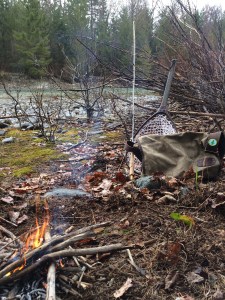
I sit fireside/riverside on a late spring afternoon. No trout will be caught today as the faint patter of rain lightly sounds throughout the dry leaves and nettles of the woods. A riffle is in front of me and a large pool just below. I watch from my resting place below a small pine tree and wonder at the trouts living under the currents. 

I add some fuel to my eager and sputtering fire. The wood is damp and smells of what home is for me. It’s quiet. The rain is subsiding now. The afternoon is late and I do not yet wish to venture back to civilization. 

The warmth of the smoldering wood soothes my soul…absolutley. Amazing how such a simple and primal thing calms and brings me back to some ancient peace. Much the way a cutthroat does when I share a moment with one eager enough to take my fly. 

I enjoy a smoke and peruse my fly box, secretly admiring my creations and imitations. The March Browns and Green Drake dry fly patterns are my particular favorite for this time of year.  I ponder the many times I have sat as I am now, and reflect on what such moments have done for me in my life. From the fires I’ve made, to the trouts I have chased.  The disappointments, set backs, bullshit, and hullabaloo that had been a constant in my adult life is gone now. I have found what it means to be alive. Content and awake to the world. 

A Skwalla flaps near the rivers edge. I take a moment to watch it flutter down river hoping a trout decides to make it a later afternoon snack. I grab my fly rod and sling on my satchel, grabbing a fly from my box, I make my way to the pool below me. A few casts and no takers…I’ll venture back to the car…at my leisure, taking a few casts at every fishy seam and boulder I come across. 

Tamarack. 

Fishing Report 3/17-20

So I hit the river a few times this week.  For some guide trips and some personal time.  The upper river was slow with water temps still hovering below 44 degrees.  Warm sunny days are better for bugs but the fish are still in winter mode a bit so nymphing has been the most productive method.  While bugs need warm air temps and some need sunshine, fish need warmer water temps to get active and we are still not seeing a lot of that in the upper river yet.  We have a big set of systems rolling in off the Pacific bringing us a bunch of moisture and possibly snow up high around 5000 feet.  This will be followed by warmer temps if the forecast is accurate, which means some higher water potentially later next week.

I fished the lower canyon on Friday and we had an epic day.  Large fish caught, lots of rising trout, blue wing hatch that was crazy and finicky fish that were keyed into the naturals and refused flies all day long.  We had several instances where fish would track flies and then hit them lightly.  Lots of large trout being selective which is always fun to watch.  We had several instances where fish were podded up around boulders sipping on BWO’s as they floated by.  Fun to watch and fun to try and trick them.  One of those days where flies are switched a lot, leaders and tippets extended, and presentations worked on, just a fun day of fishing and guiding.

The lower river is in spring mode for sure with hungry and eager fish.  With the way the flows are the fish are spread out all over with some deep in the runs and some on the boulders.  As the hatches get better and the temps both for air and water rise those fish will move into faster water and tuck into the boulders and seems even more making for some great fishing.

I did witness one of the largest trout ever, I was doing a double boater, we coasted by as they were playing this huge trout.  Ended up being around 26 28 inches and weighing in around 5 to 6 pounds.  Not steelhead just a big ass trout.  Took the dry fly.  Was amazing to see such a wild specimen.  Get on the river if you can and call me for available dates for guided trips.

Tamarack

River Report 3/10-11

Bruiser Bow


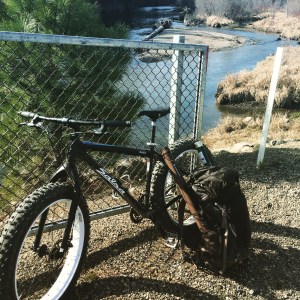
Well I hit the river above and below this week. Was pretty slow both days. I did a Fat Bike Ride and Fish which was a blast. Fishing up near the Cle Elum confluence is really slow. Water temps are still dropping to 39 ish. 


FatFly Trip


I floated the lower canyon from Ump to Lluma, there were a few risers but no Skwalla save for a few. The BWO were pretty good. Fish were keying in on them but it was pretty sporadic on where the risers were. I had more success on the nymph of course and the Skwalla Stonefly Trout Snack did the trick for a handful of large fat bows chilling around 7 feet in the slow stuff. 

I came to the high canyon wall just below Red’s and really worked that deep area along the shelf. Fish were stacked there but they were deep.  Pressure from anglers over the weekend was a big factor today and fish were down. I lost a few good fish on the nymph there. The bottom fly was a weighted BWO Nymph I tie and was doing the trick but the chunky Skwalla nymph was equally effective when fished singular. 

Takes were subtle on smaller fish but forceful on the larger trout. The larger trout I did net were fat. Like obese almost, gorged on all the dry flies and nymph naturals over the past week. 

I did find one very large Rainbow slashing at mayflies and the one Skwalla that passed by. I threw the Moose Hair Skwalla that I haven’t had a lot of time to test. I spooked the fish earlier and gave it some time. It started feeding again after about 5 minutes. I took that opportunity to give myself 14 inches of 5x Supple Flex Tippet.  The trout had just slashed the surface again with ferocity and I laid my fly about 4 feet above. Like clockwork that fish hit it. Hard. It was a great take and a fun fish to play, jumping several times and it pulled and head shook making the heart flutter a bit.

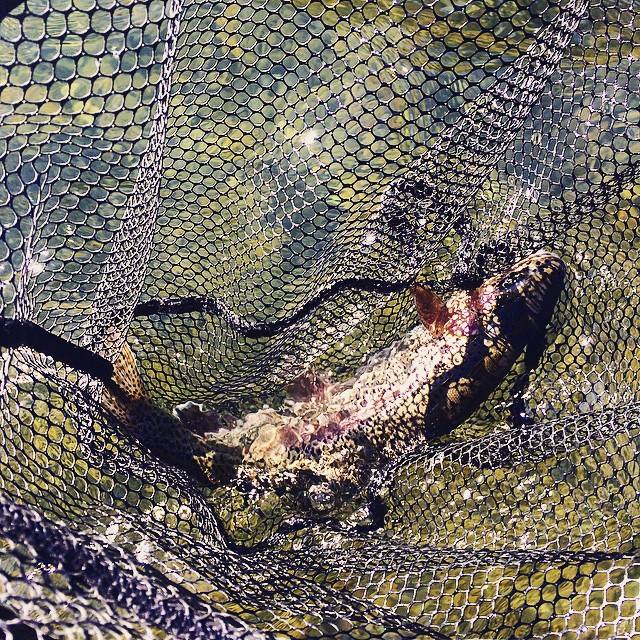
I got a chance to use my swanky new Fishpond Nomad Net, which is awesome by the way, and I like pictures of fish better in the ghost colored nets. The fishing slowed way down after 3 but I did manage to hook a huge whitefish. Bloody thing messed up the whole hole with its display. 

Not a stellar day but not a bad one either. I found that the fish needed patience and lots of casts with lighter tippet and really good drifts. They have seen a lot of pressure on the lower canyon with the past weekend so keep that in mind when making plans. The upper river is getting better everyday but keep angler pressure in mind as well. Smaller tippet, different flies, smaller flies, better presentation, and nice long drifts will get the job done though.  Find off days to get out of possible and it’s so low wading for the three warm hours of the day should just be shied away from. Play around with nymphing depth also. I found fish all over the water column but big ones seemed to be deeper. 

Anyway the river is getting better everyday in terms of conditions and bugs though. Lots of nymphs moving around especially in the upper. Spawn is close, fish are hungry, and the weather is supposed to be good for fishing. A little rain may be just what we need.  I’ve got dates open for some pretty fun spring fishing. 

Tamarack

The Preseason Shakedown

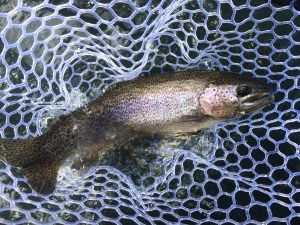
Healthy wild upper river rainbow on the nymph.  Keeping them wet!
Healthy wild upper river rainbow on the nymph. Keeping them wet!

It is time.  I fished the upper on Tuesday and the lower on Wednesday.  It wasn’t really on but fish were on the nymph pretty good in both places.  A few and I mean like 2 opportunities each day for fish feeding on dries. However, the weather reports are making every angler start to swoon.  Warmer overnight lows in the mid to upper 30’s and even the 40’s next week are in the forecast.  The daytime temps are hitting 55 to 60 in the next 10 days!  Water temps will be on the rise, water levels will be low, and fish are going to be on the move as the bugs start doing there thing.  The Preseason Shakedown has begun!  Get those flies tied, get all your gear together, wait anxiously for your Scott G2 repair to come back and your new Simms Wading boots to arrive, and start thinking about dry fly fishing.  Because the trout are gonna start thinking about eating dries too!  We also just had a full moon, the time change happens on Saturday and the days will now start to get longer and longer on our way to summer!  Its FISHING SEASON PEOPLES!!!

I will be tying a bunch of dirty dries for the Skwalla and March Brown hatches that are sure to be happening simultaneously over the next few weeks.  Drakes are not far behind and with this low water that we are having April could be bloody spectacular!  Salmon Fly Nymphs are already starting to move and even the Golden Stonefly Nymphs that hatch at the beginning of summer are starting to wake up from their winter hiding holes.  It’s a mad dash to get ready and find days to get on the water.  Call in sick, take vacation, or at worst…just blow off some work.  I already got my boss to schedule a day of hooky to go fish with me.  Another part of the shakedown is fielding calls and emails for trips which is starting to happen.  This spring is looking to be one of the better springs for fly fishing we have had.

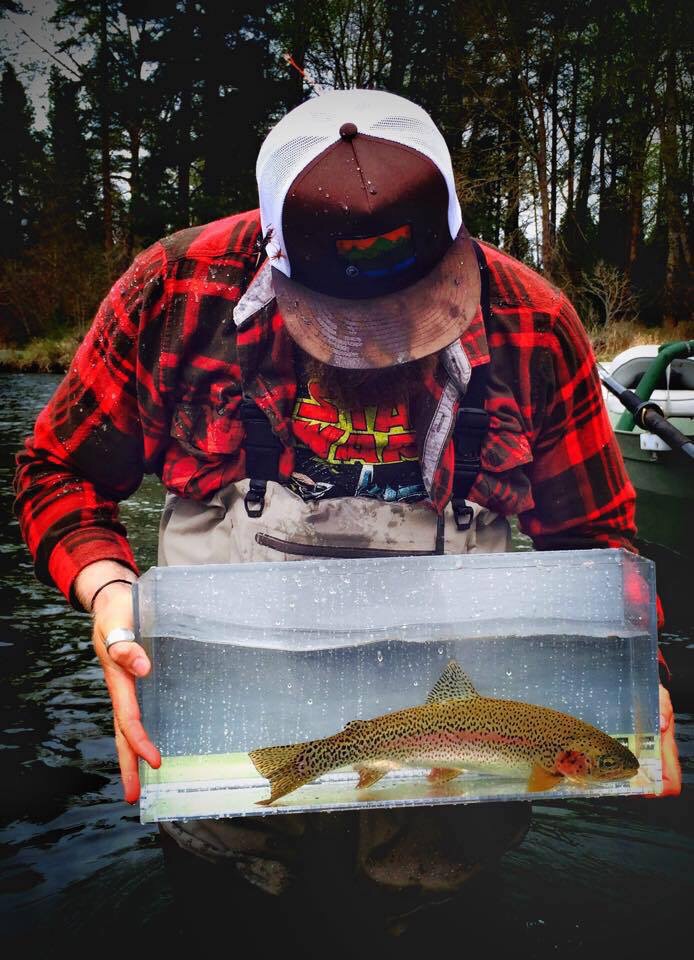
Its also that time of year where the river comes alive not just with trout but with bugs, which is why we are all getting super stoked.  I love seining the river and looking at the naturals, it gives me inspiration for new patterns, lets me know how healthy the river system is, and it helps me get into the mind of the trouts and the river.  With plans to get a Phototarium which is a big plastic view box for fish and bugs, I am really hoping to delve ever deeper into the world of aquatic insects and trout.  There is a large shift for keeping our wild fish wet when angling and it is a movement I fully support.  A fellow guide made a great point: “Fish pics don’t sell trips, good fishing does.”  Keeping these wild trout wet during handling is only going to bolster and strengthen this fishery and put more fish per mile in our river.  As this season starts I encourage all anglers to keep fish wet as they handle them, take flies out while fish are in nets, try not to handle fish, take photos of fish while in the net or in a photo box, and get lots of action shots.  Shots of people fighting or working fish are really cool.  These fish are wild and we want more and more of them to fill our river so lets treat them as such and make this fishery better with every season!

Anyway, the river is starting to wake from her winter slumber and once again fill her waters with life…and hungry trouts.

Tamarack