Summer Fishing Techniques on the Yak: Part 2 The Upper River


So summer has arrived in the mountains.  We have a summer forecast of highs around 75-80 through most of August, with sunshine, clouds, and the dreaded thunderstorms.  Water is high as described in part 1.  So let’s dive right into the Upper River as there is a little more going on and a bit more required of the angler to have success.

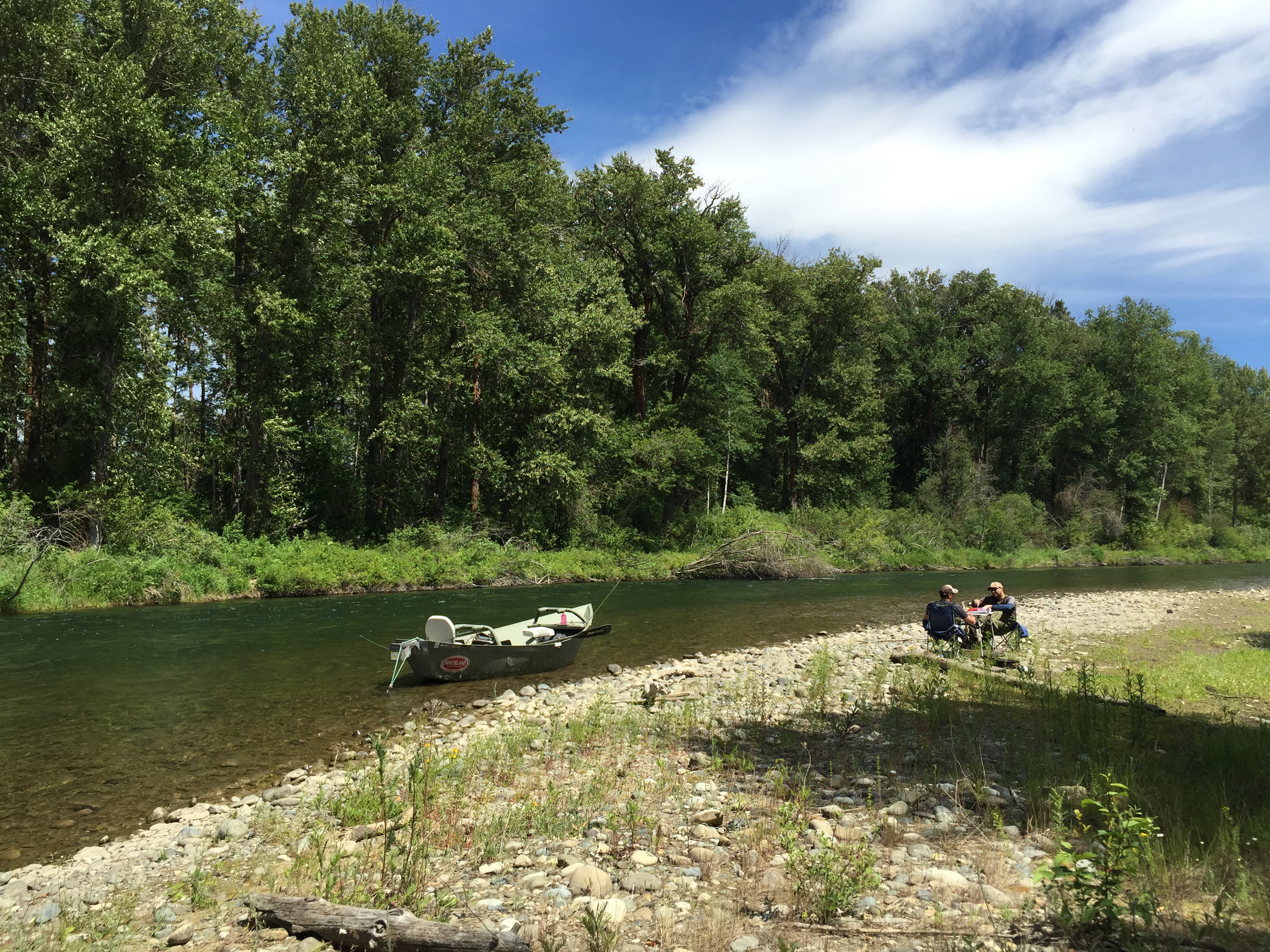
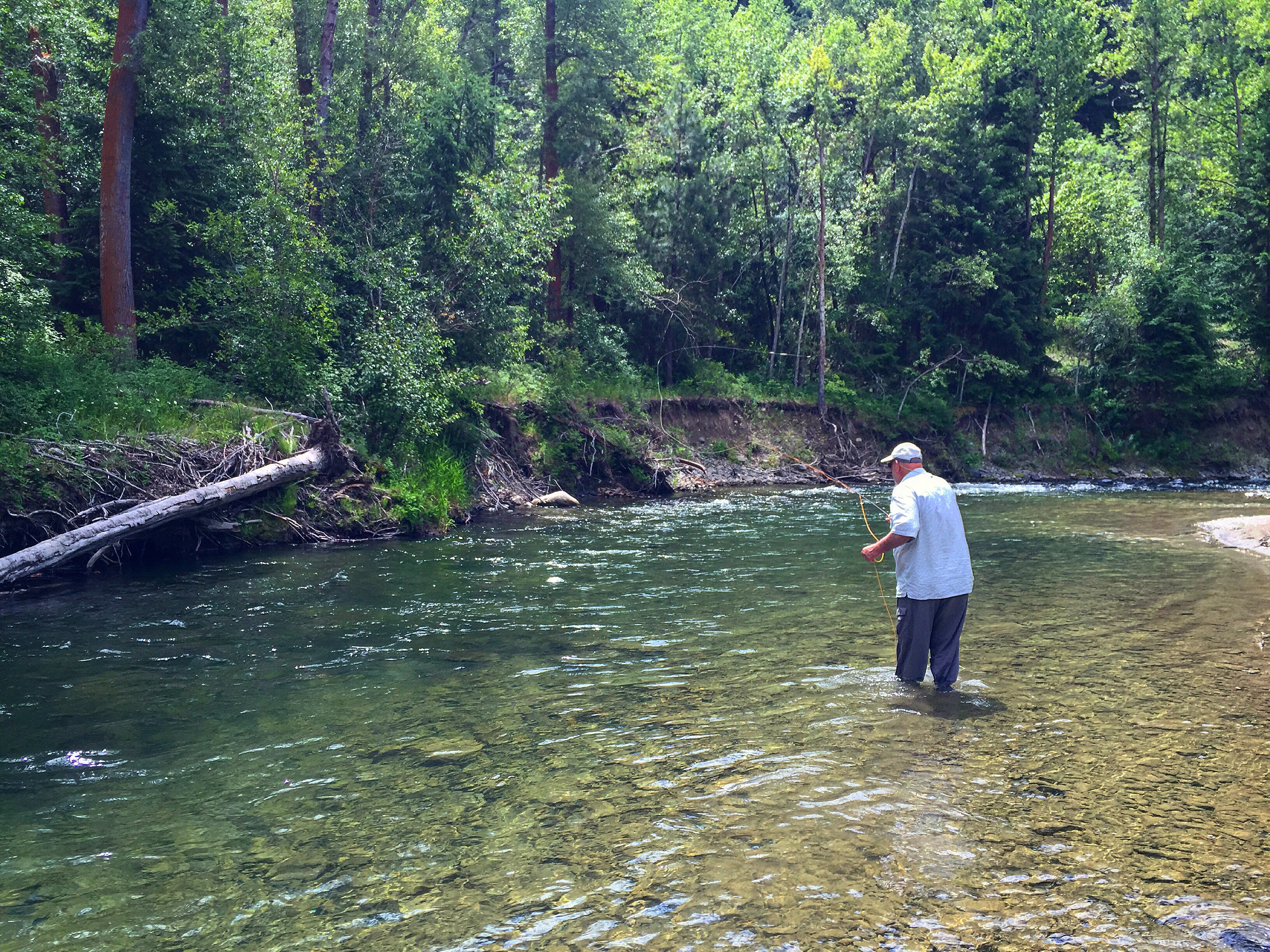
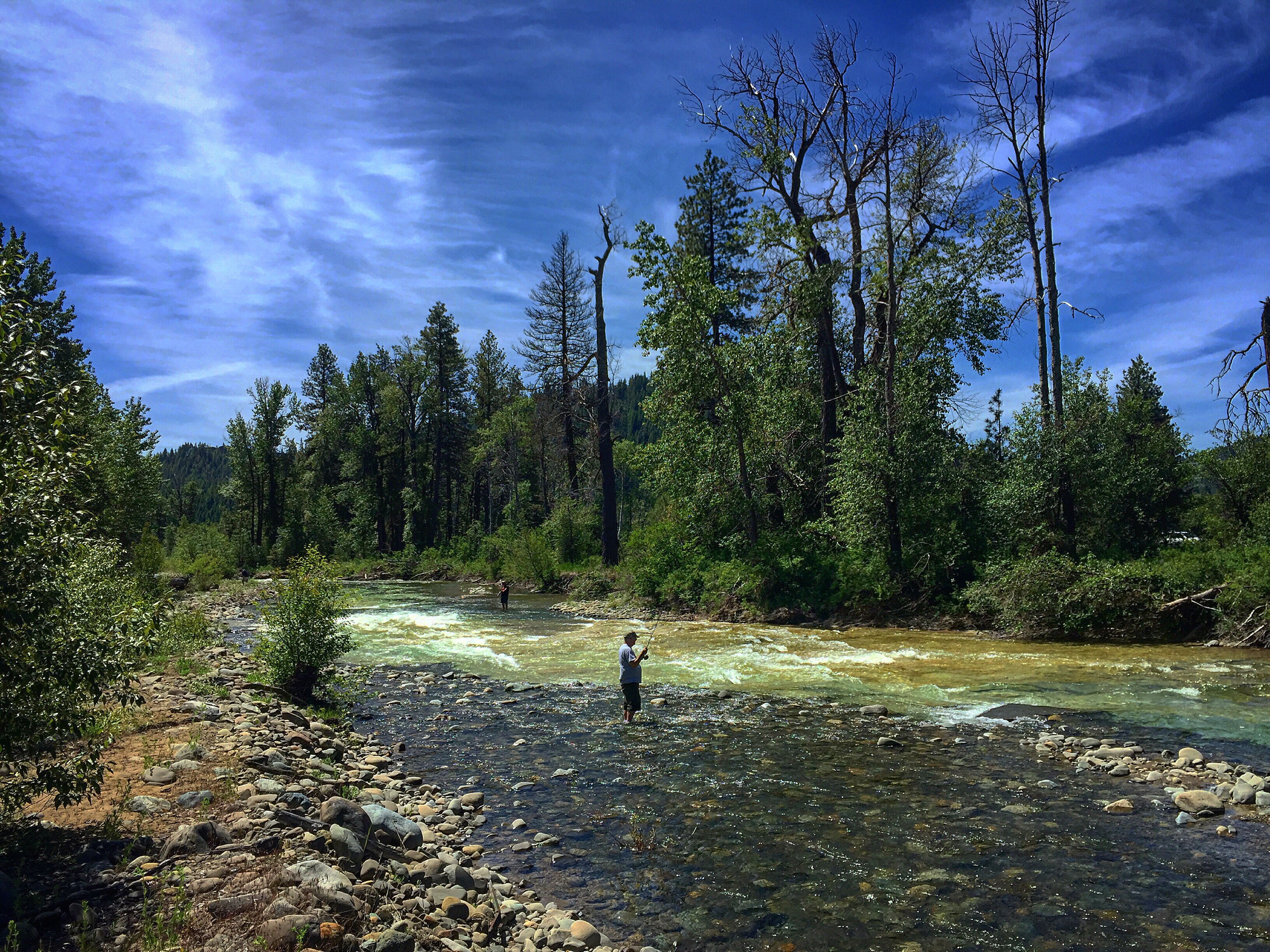
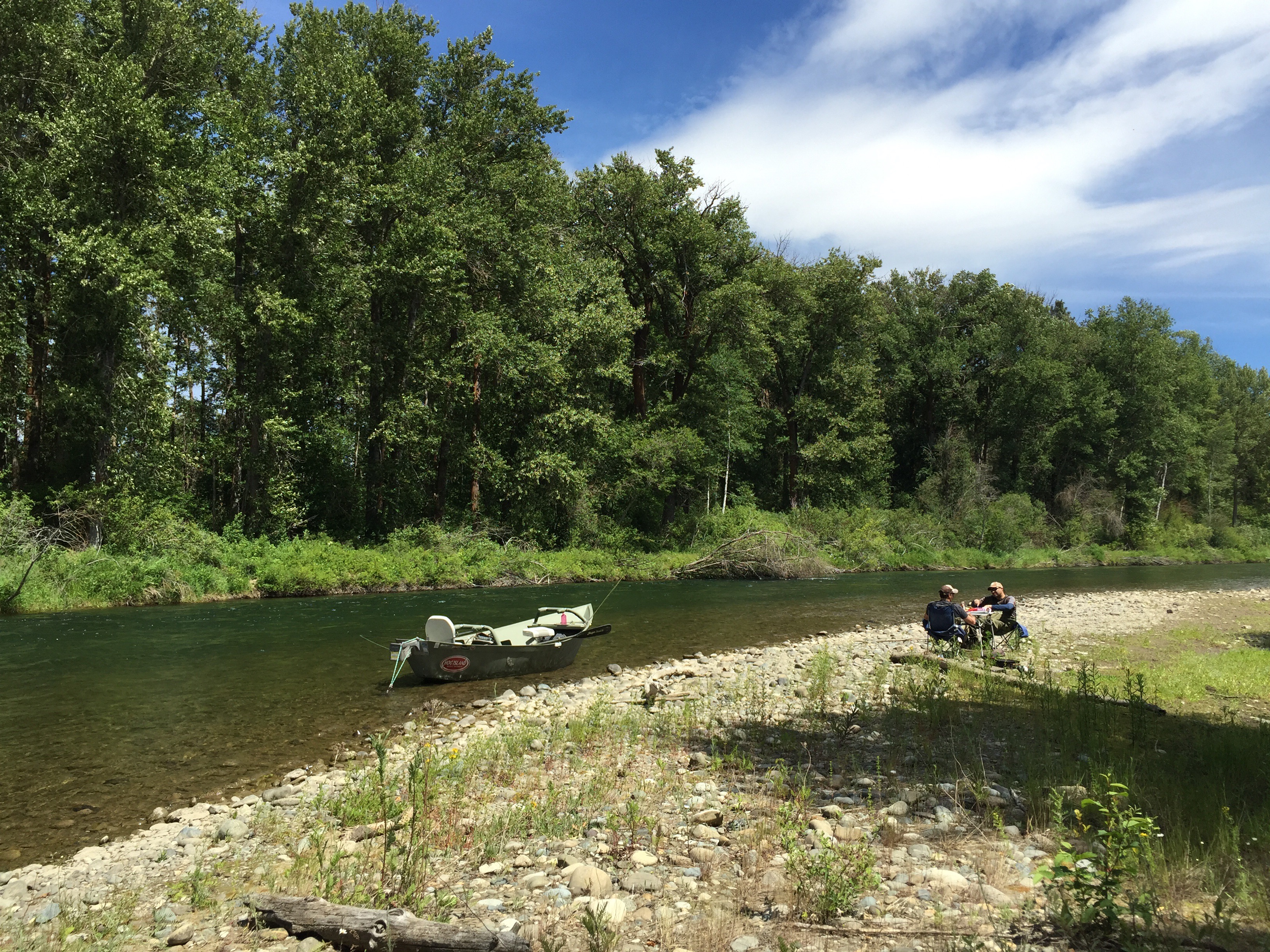
The water flows are above 3000 cfs.  We like the river in the spring and early summer to be around that 2700 mark pre-July.  When we get into the heat of the summer we get higher flows.  Right now we are sitting at 3400.  Which is high.  The river is ripping up here.  Just moving some water.  Unlike the LC, the upper river trout do something different.  They spread out all over the place.  You will find trout tucked to the bank in the big straight aways that resemble the LC.  Especially in the Bristol to Thorp area.  But with all that flow, the higher grade to the river, and the twists and turns and structure both in the river and of the river bottom itself, the river becomes a huge playground for trout.  Lots of places to hide.  Slowing the boat down in the heavy water and breaking it all down is how to play the game.  You may float 50 yards of good dry fly water, then come up on some good nymph stuff.  So having multiple rods rigged and ready to go make the day go smoother.  When we float the upper in the summer in my boat.  I have two nymphs rods that can switch to streamers quickly.  I also have two dry fly rods rigged.  This makes those transitions between the different set ups quick and seamless.  I usually have a 6wt streamer rod set up as well.  Store three rods while the two anglers have two.  Alternate rigs according to the the river.  It can get complicated and overwhelming, so I always have a game plan of how I want to break the day down and what spots I want to fish.   This is based on bugs, flows, and how it fished before, as I usually was out the day before.
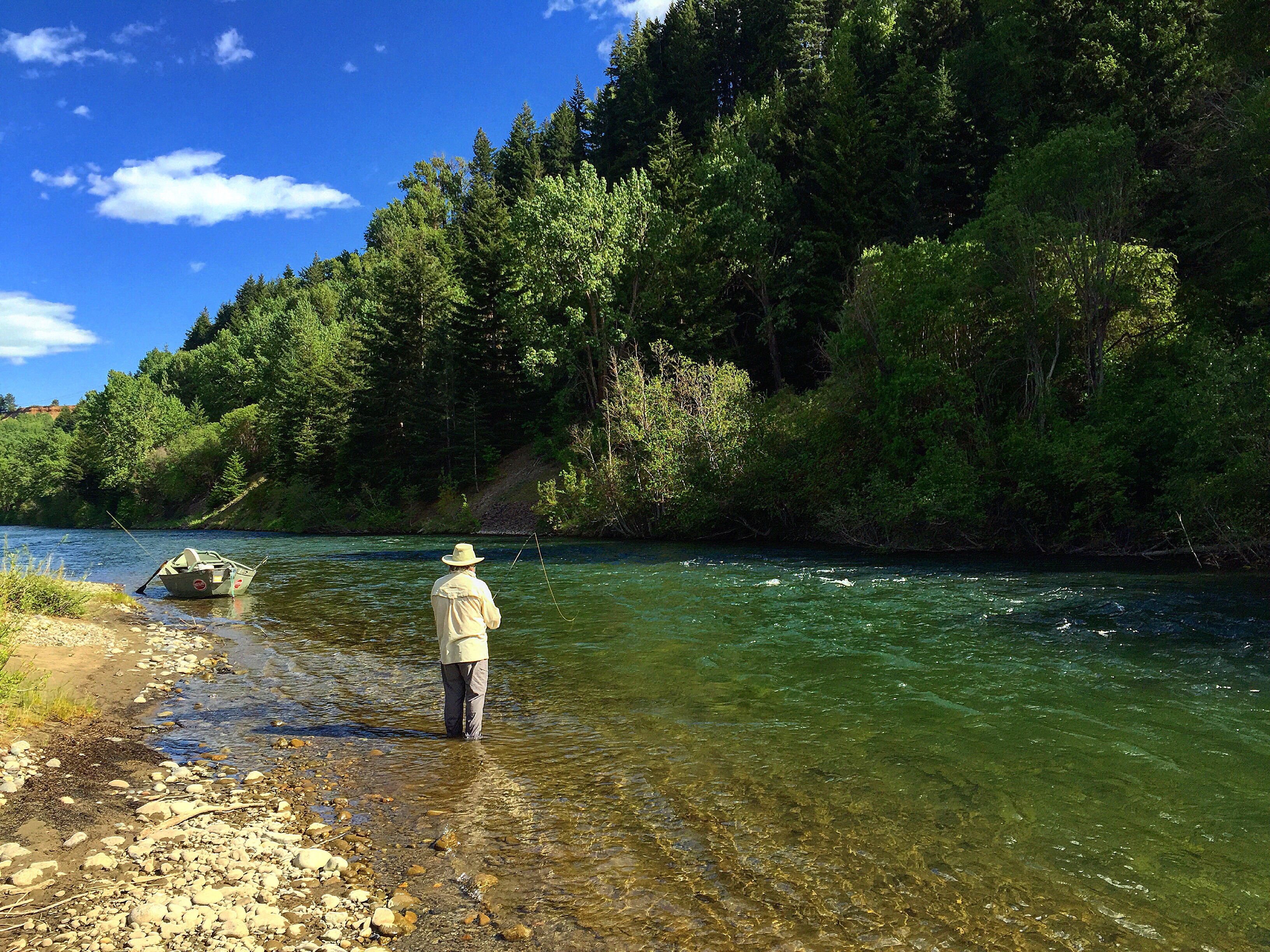
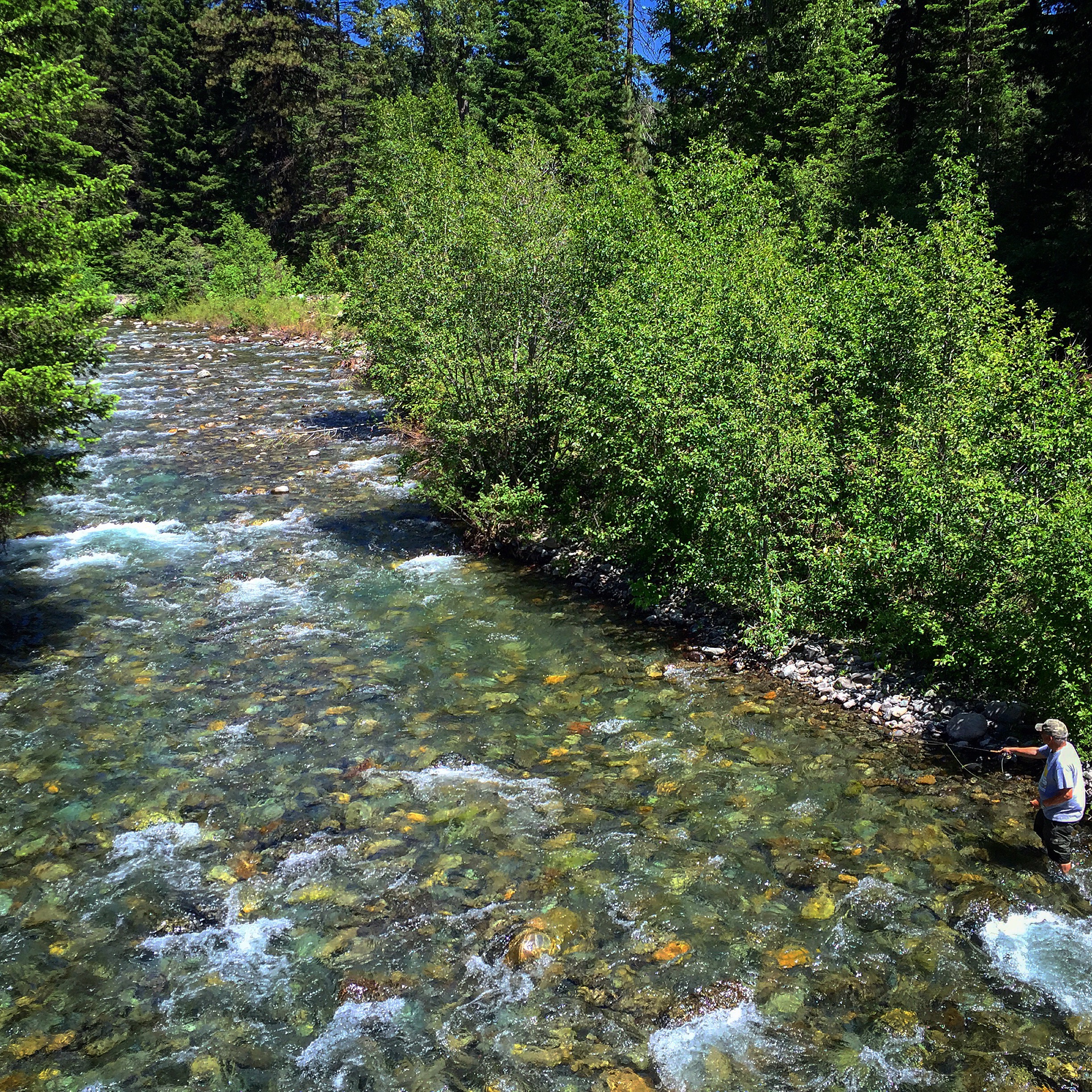
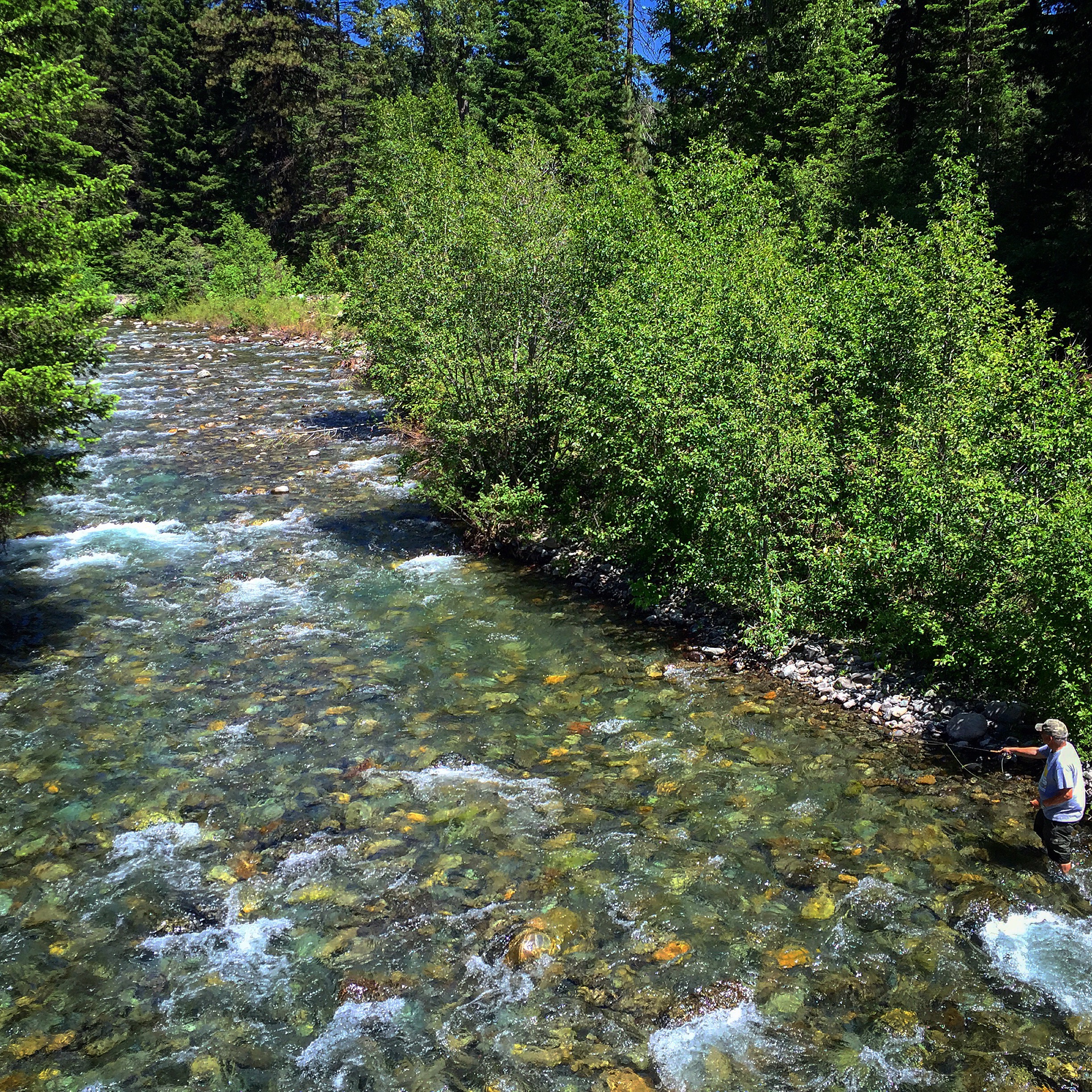
There is a lot of water to read.  The fish will be in the bank in some places.  Look for grass lines, overhanging trees, and undercuts in the upper as good real estate for trout.  But you will also find big wide rock gardens where trout are tucked behind and in front of boulders.  You will find big drop offs and shallow riffles that fish hold in, logs, boulders, root wads, big eddies, side channels, the list grows.  The upper has a lot of water to read.  Big runs, slow eddies, pockets, riffles, side channels, back channels, structure, all kinds of trouty goodness.  And the water is usually gin clear which ups the technical factor. A guide that knows their way around and how to break the upper river down is how you get big numbers in the net.  If your guide picks a long stretch of river and isn’t changing tactics every few hundred yards to target the fish specifically…you need to find a better guide.  The upper river fish are not like the LC fish.  They move more, they have more water to hide in and lots of different water to hold in which makes approaching them different every turn of the river.  A guide that has you switching between dries, nymphs, and switching patterns at certain areas knows they’re shit and you should keep booking them.

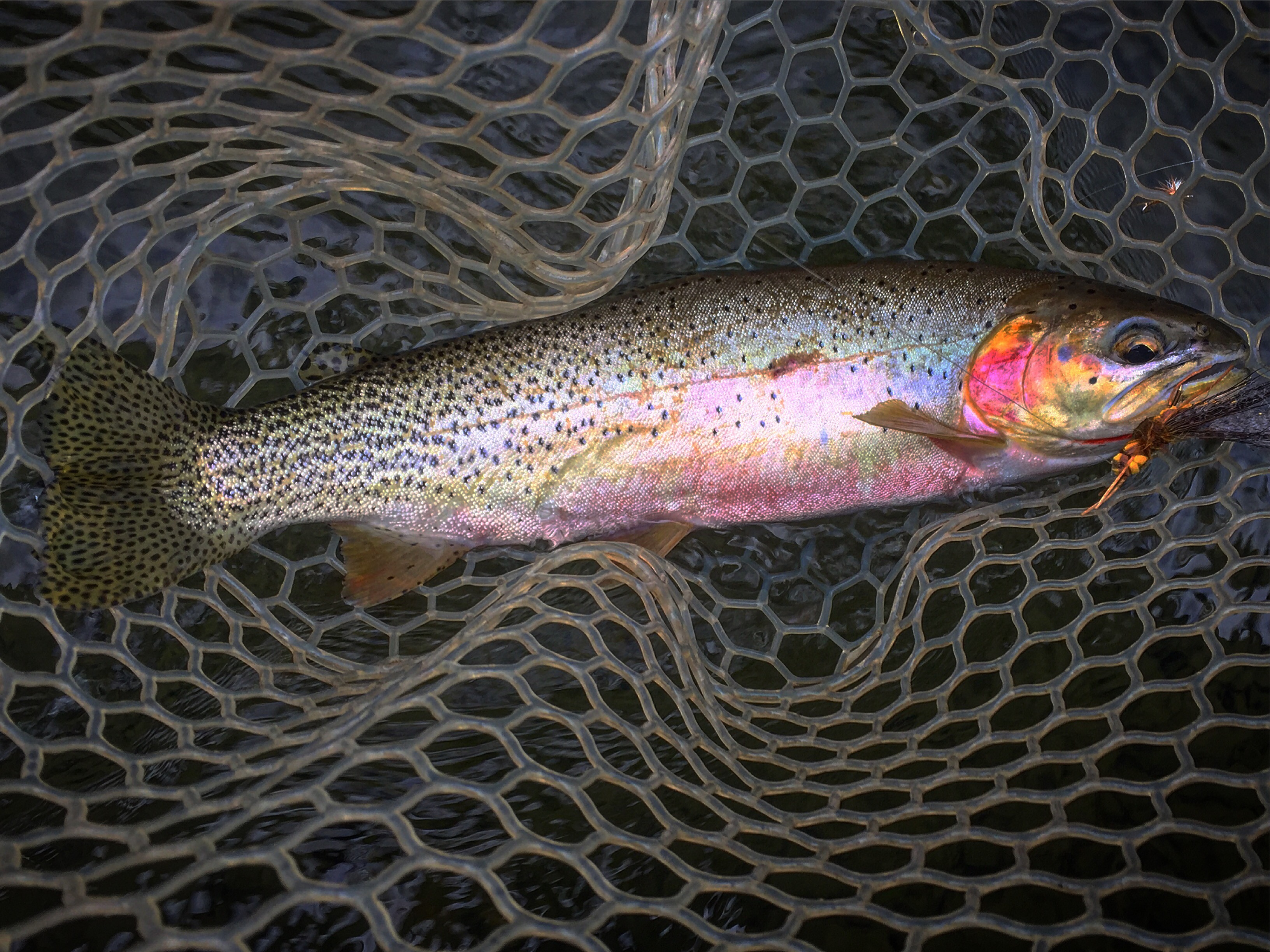
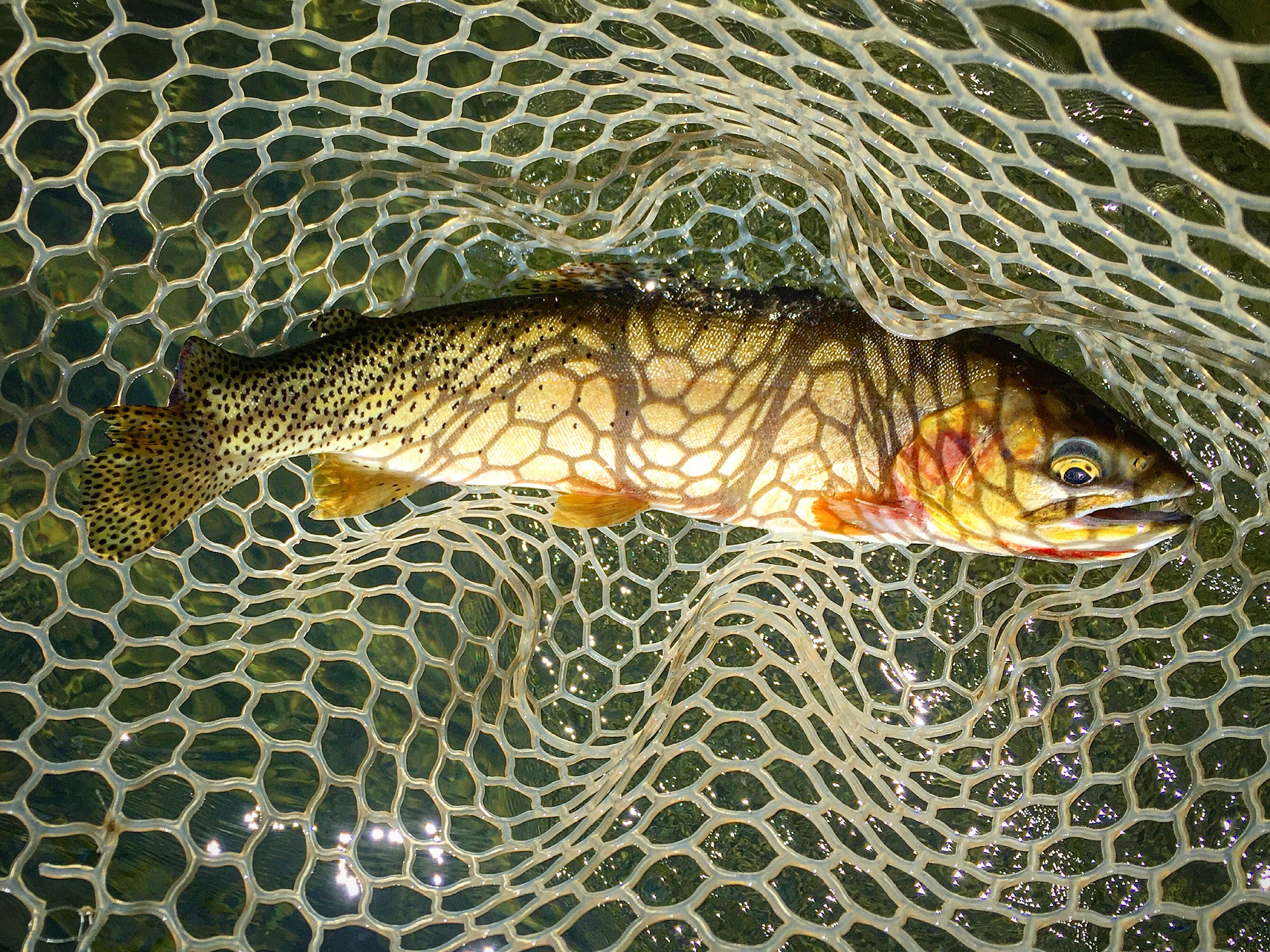
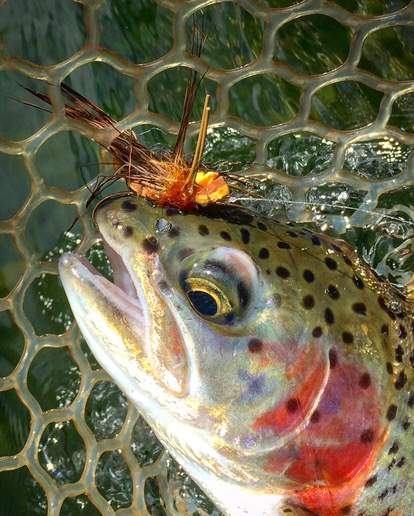
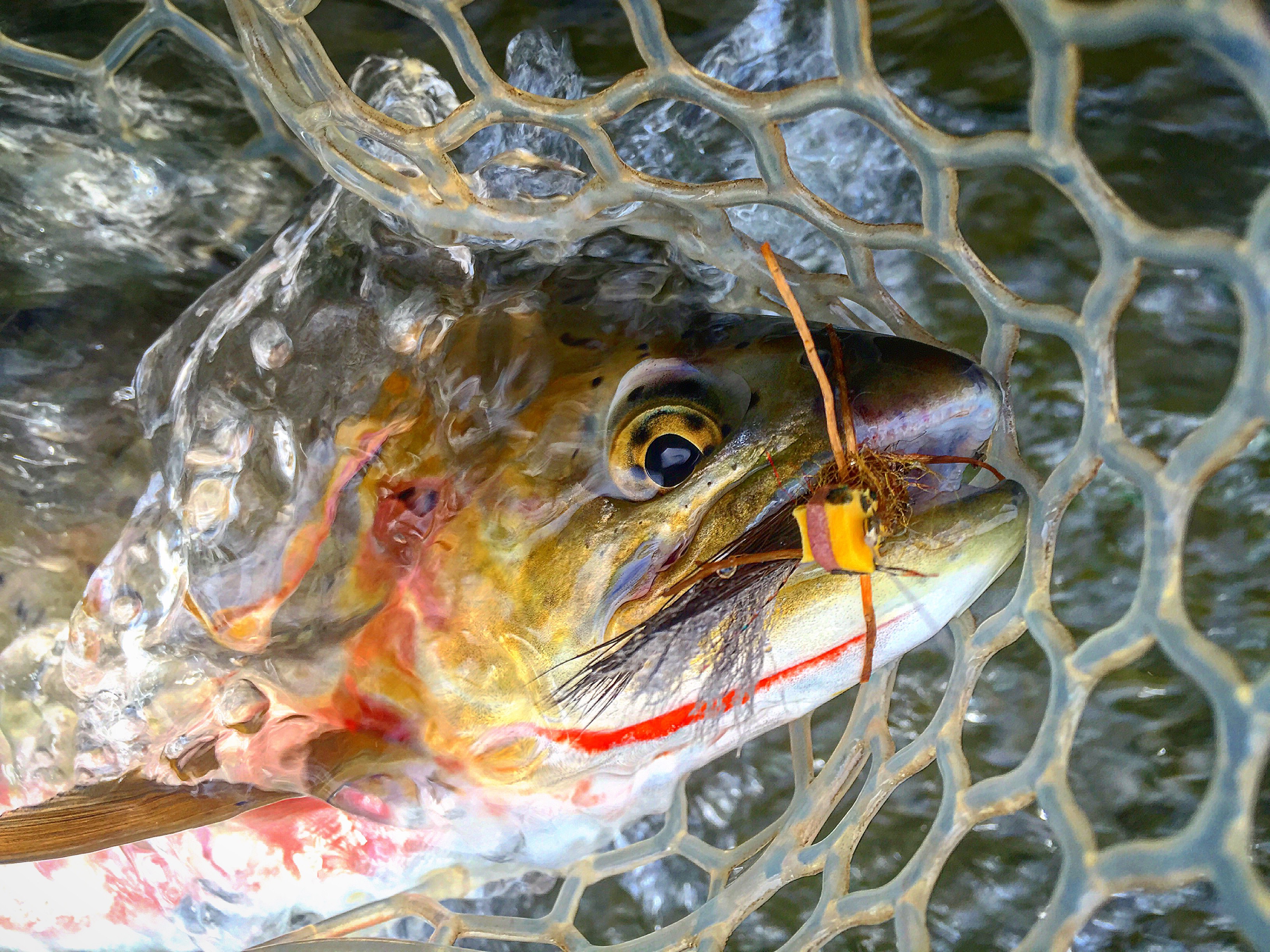
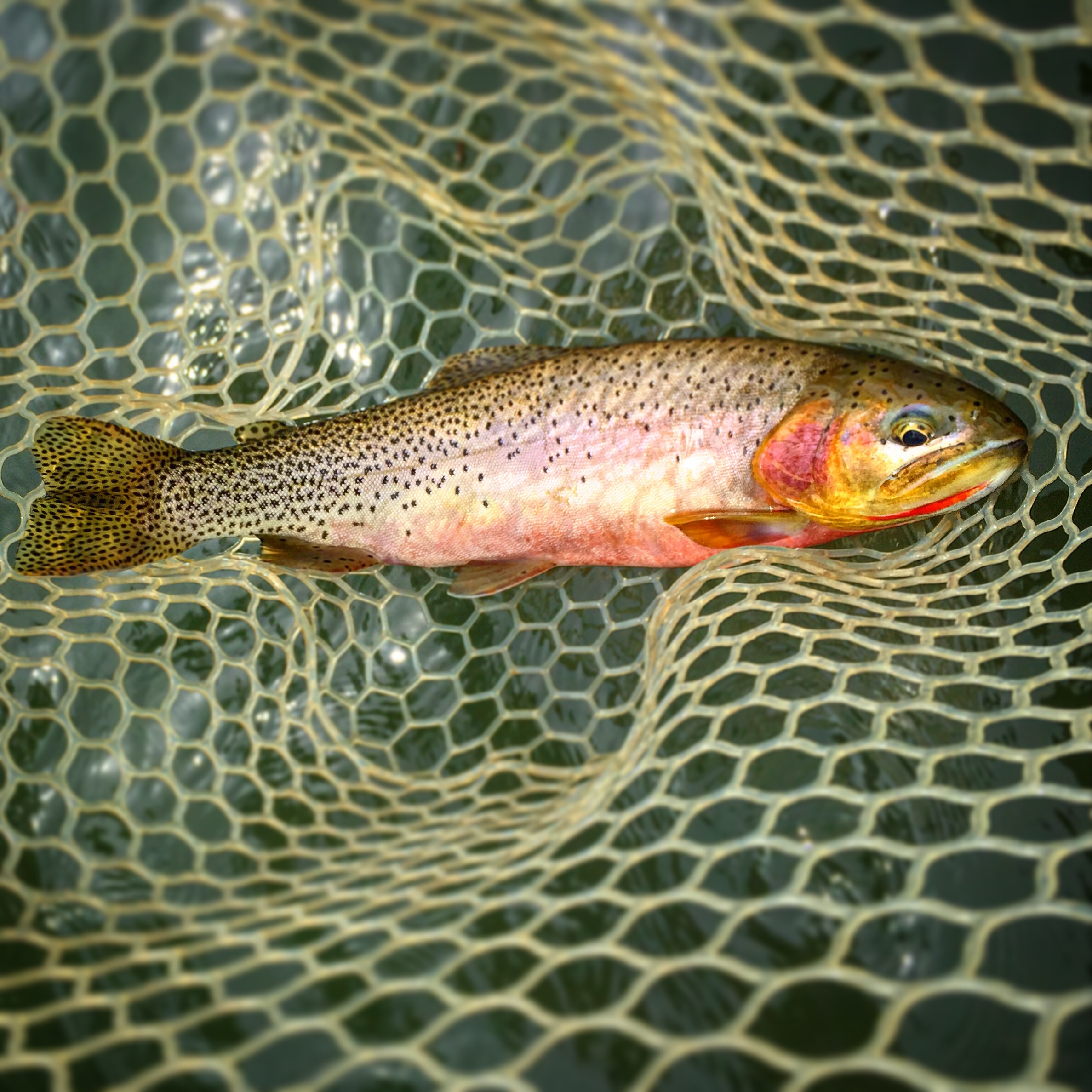
The sections near Thorp are different then those near Cle Elum and those up near Easton are even more different. So there is just a lot going on up here.  The water higher up near Easton is smaller and more intimate, requiring more reading, breaking all the water up, fishing every boulder, every seam, every log, there aren’t as many fish up there but that section of river holds some of the biggest and smallest trout. That’s why I have 4wts now…those smaller fish can be a lot of fun.  Catching 20-50 12 inch cutties all day ain’t a bad day on a 4wt.  The areas near Cle Elum have a lot of different things going on.  Every 150 yards the river changes, and there may be 50 different places to fish in that 150 yard stretch, and each may have a slightly different approach or tactic.  I can float the same 12 mile stretch of Lower River and fish it the same way 3 days in a row and have success.  I could try the same thing up river and not have an ounce of success.  I end up doing a lot of 6-10 mile floats in the upper, really going slow and breaking the day up.  It’s work both for guide and anglers.  Lots of casts, lots of changes, and lots of rowing.  I can float that same 6-10 mile stretch in the upper 3 days in a row and not fish it the same way each day and that is typically how I have success.  “Always on your toes this upper river and the trout keep you.”  The upper just requires more skill…bottom line.  Those who put the time in and have patience in the summer…come out with some wicked fish stories.
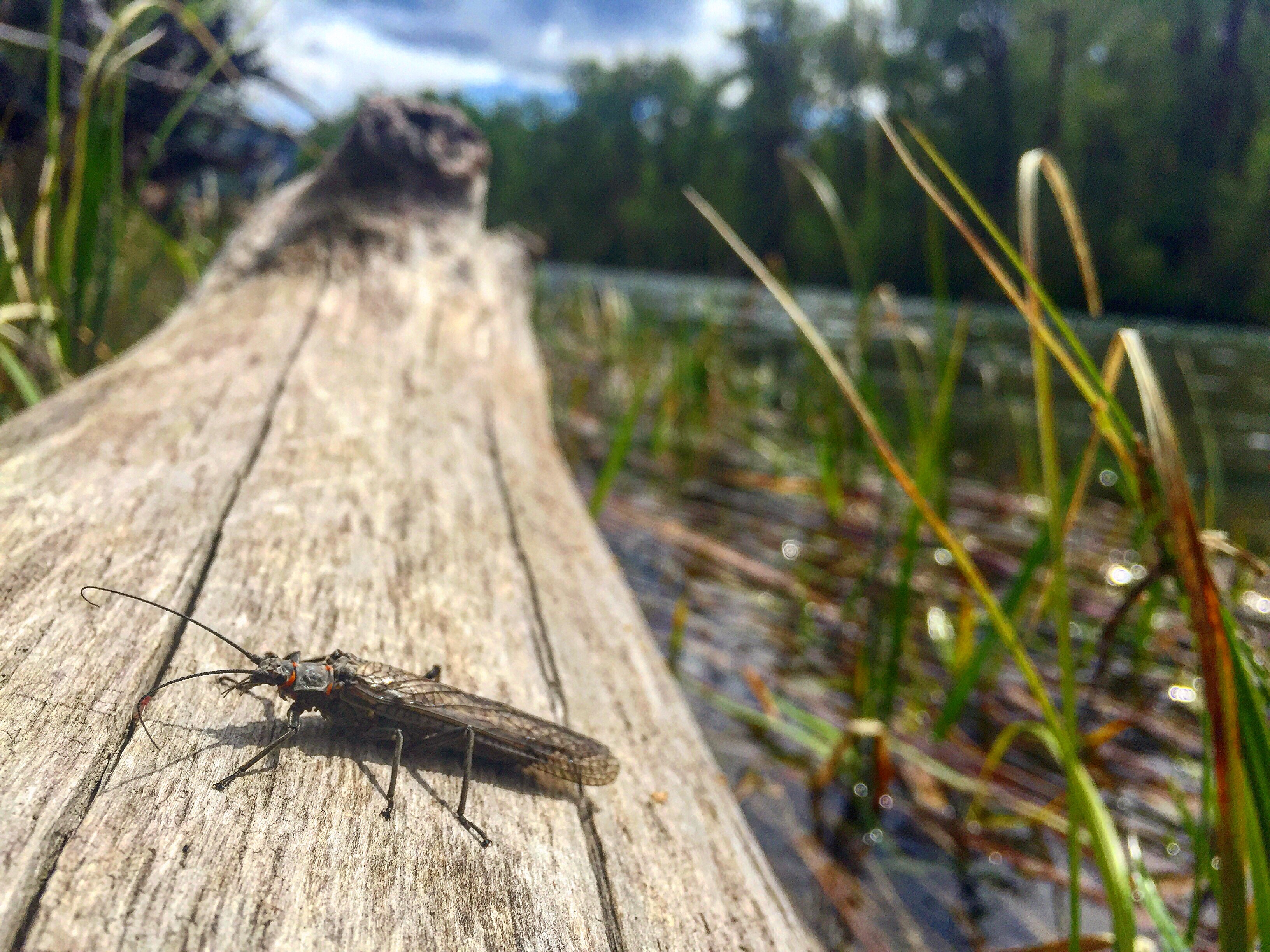
So that takes us to the bugs.  There are golden and summer stones as well as grasshoppers for the big bugs.  We have more mayflies in the upper so PMD’s PED’s and Drakes become a key ingredient to the day.  We also have the baitfish, but nymphing becomes more effective up river because of how certain areas of the river force the fish to hold.  We don’t have as much caddis action in the upper, but being ready for those caddis feeders is always recommended.


Let’s start with Nymphing.

I nymph a lot.  Not in the LC as I said in part 1 but the upper is a different beast.  There are shelves, drop offs, and other areas that are just made for nymphing in the upper.  I use a 9-15 foot 4X leader.  I use regular indicator or yarn a lot because I swing nymphs off of shelves and that.  Bobbers don’t swing as easy.   I use split shot most of the time.  I start with one big fly, typically a large more realistic stonefly imitation.  Or a 20 incher instead of a regular pat’s stone.  I put split shot up 8-12 inches above the fly and set my indicator at 5 ft to start.  As I move through the run or area I have clients nymph, I will adjust the depth periodically watching the way the river deepens and shallows.  When we nymph the upper the majority of the time we are targeting fish that are riding the bottom cushion of the river.

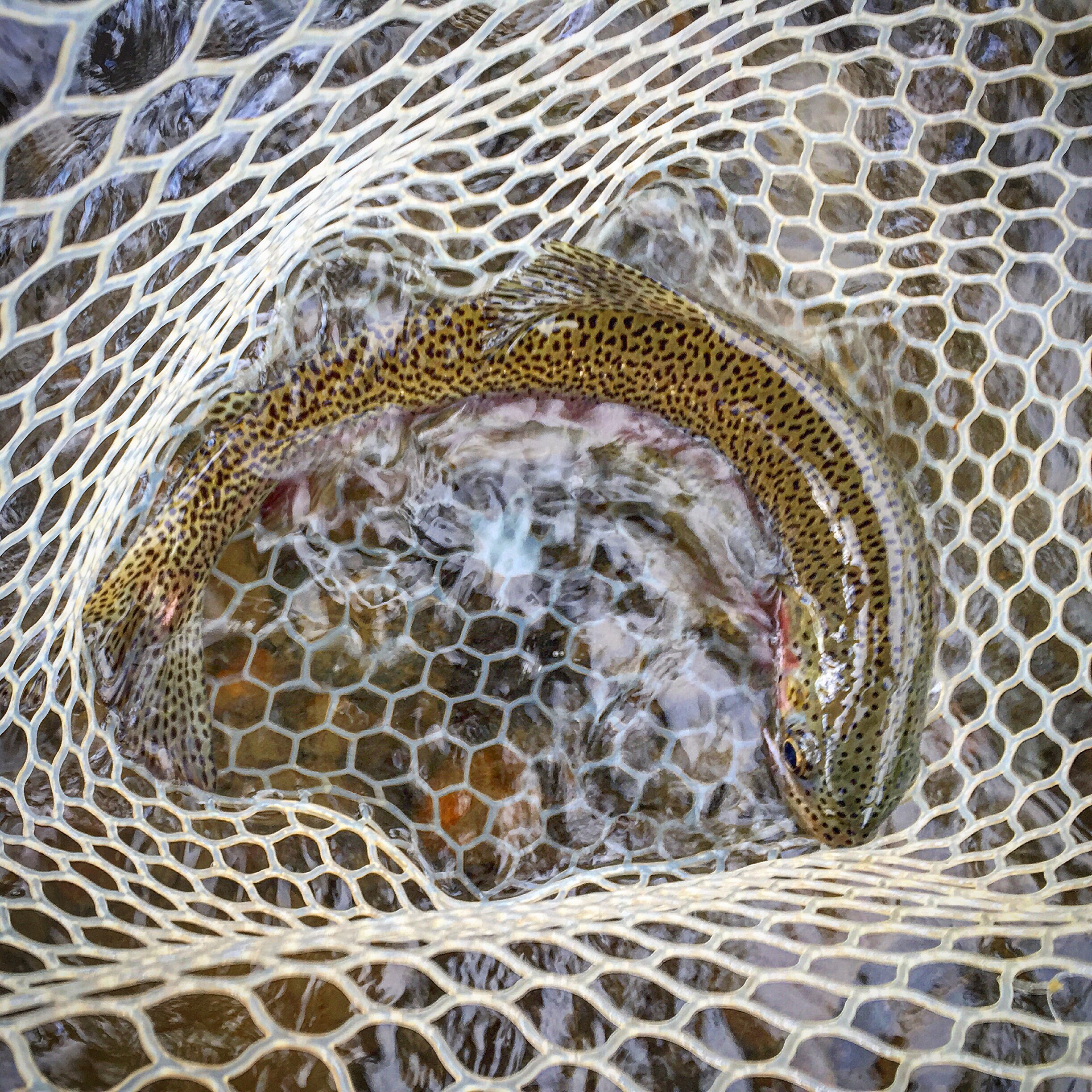
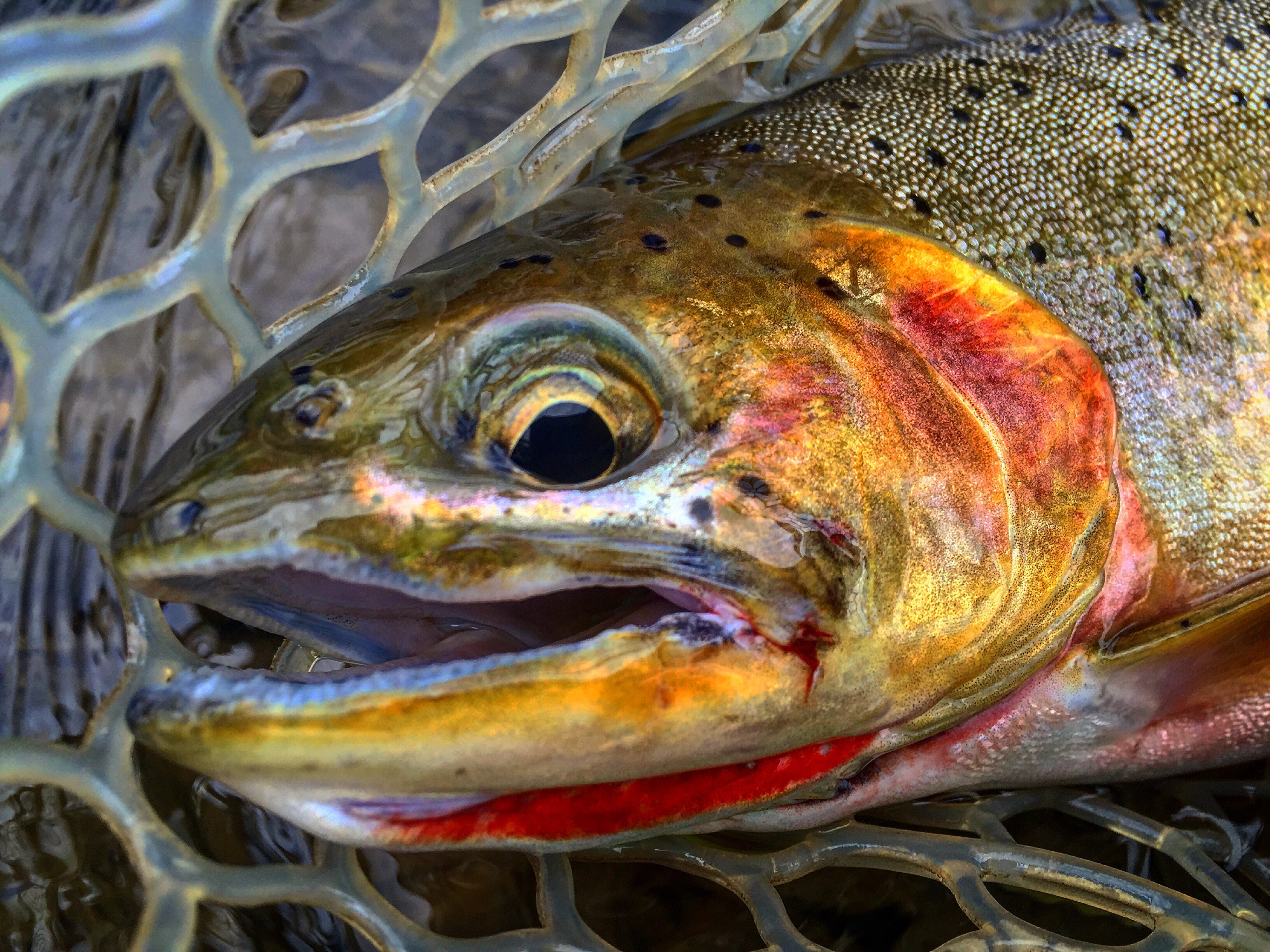
The top 6-12 inches of the water column is the fastest moving water.  They middle chunk of the river has the most force, and the very bottom of the river, the last 1ft or so is the slowest water in the river column.  There are really big trout and whitefish hanging out down there feeding on nymphs off the bottom.  They will literally turn over rocks with their noses and search out the crunchy trouty bacon cheeseburgers.  They will also snatch nymphs that float overhead or drop off the shelves and that as they get battered around in the undercurrents and hydraulics.  A lot of the time we are sight fishing for active nymph feeders.  You will see them flash down deep.  Gauge the depth so that the indicator holds the fly along the bottom foot of the water column and hold on.  Mending is super important as you are suing the indicator and mend to get the flies hover and drop through the water column like the naturals.  Those fish have the current to their advantage at depths.  So when they hit they typically hit hard and then move.  They run and bulldog and if you pull them into the water column to tire them out…they typically get airborne.  Not a lot of cutties are caught this way.  This is mostly for those big muscular rainbows holding down deep away from all the birds and that…hiding in the whitefish…sneaky trout.

I also swing nymphs off of shelves and big long drop offs and at the tail end of my drifts along big runs and that.  Cutties hit nymphs on the move and sometimes that swing represents the fly prepping to hatch.  I fish nymphs in the morning and pre hatch if I know the time of the hatch.  Mostly stoneflies with this method.  I will throw a trailer sometimes but remember that trailer means you have two flies to make sure you have in the right spot.  Makes it more difficult.  My trailer is usually only 12-16 inches behind the lead fly.  Mayfly nymph fishing is the next piece.
Mayflies hatch and live in the shallower riffles.  The 6 inch to 3 foot deep water typically.  It will have a broken surface in places, small bubbles or whitewater, and typically faster moving.  Very oxygenated.  Cutties like this water but so do bows.  Mayflies move up through the water column from their hiding places below the cobble and slightly larger boulders and quickly move up to the surface of the river and hatch.  They ride the fast water drying out their wings and will typically lift off at the tail end of the riffle or the 10-25 ft of river below the riffle.  This is where the trout are.  In the bottom third of the riffle.  You may not see feeders because the water is fast, but they are in there if the mayflies have been hatching.

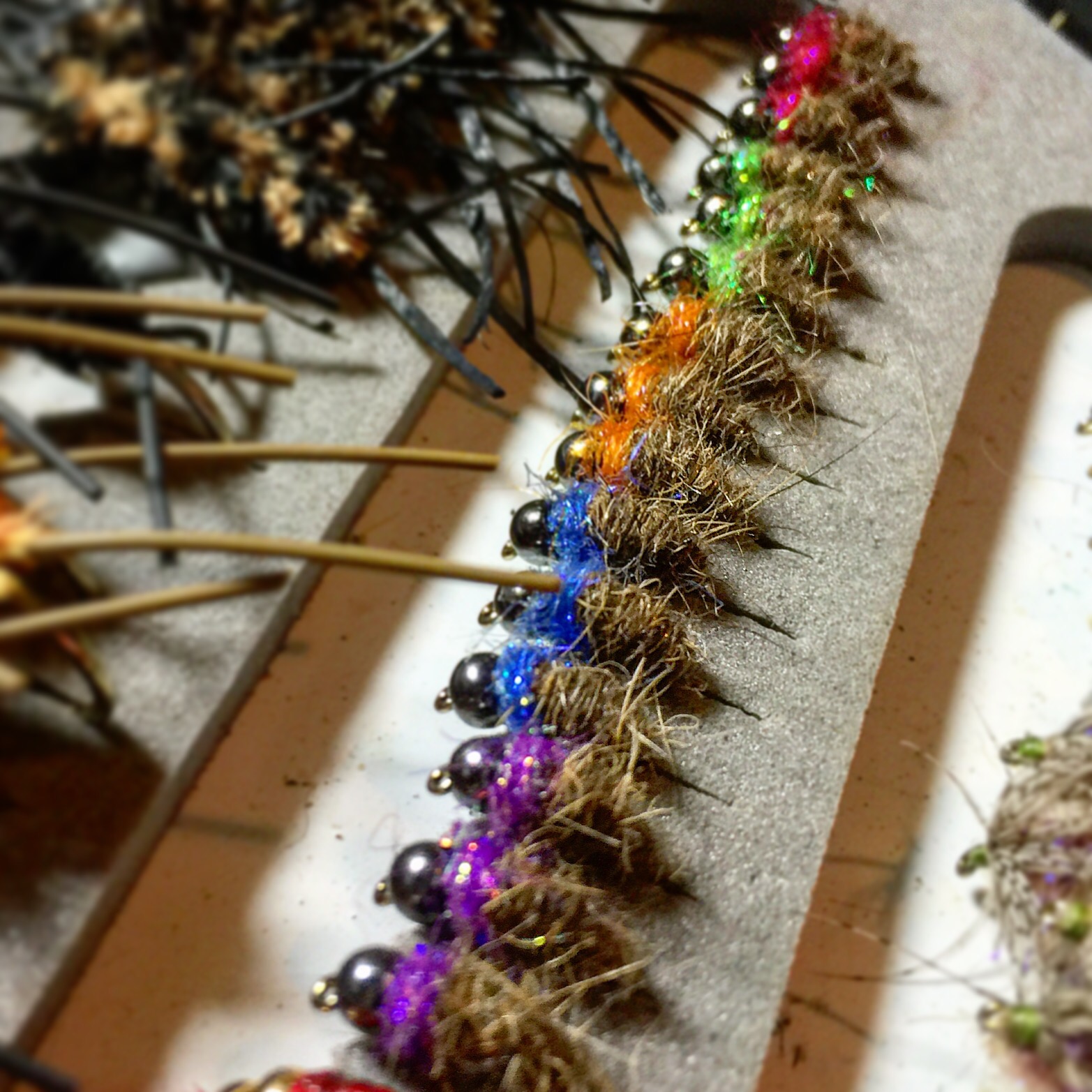
Fish your indicator at a depth about halfway down the water column.  So a three foot deep riffle I set my indicator around 1.5 to 2 feet above the fly.  Again a yarn indicator is less spooky for fish.  I also tie yarn in my blood knots above my fly for shallow water nymphing.  No split shot.  You need to make a long cast with a few good upriver mends to let the nymph get down.  Then ride the riffle to the tail out, with a little swing out the end before recasting.  Just work every inch of the riffle.  When you hook trout you will see the flash before the indicator goes down a lot of the time.  When I have my clients fish this way I am watching the river just down river of the indicator, waiting for the flash.  I can’t tell you how many times I have yelled set before the indicator goes down and have my clients think I am magic or something.  I use size 16 pheasant tail style nymphs, or little hot belly hares ear attractors.  Nothing too specific.  I’m partial to purple and red.  Lighting bugs, copper johns.  That kind of stuff.

So that kinda covers nymphing.  It takes some work, and lots of little adjustments throughout the day to dial it in but when you get it all worked out, you can have a bitchin’ time hooking fish on nymphs watching them flash and that.  Let’s move to dries.

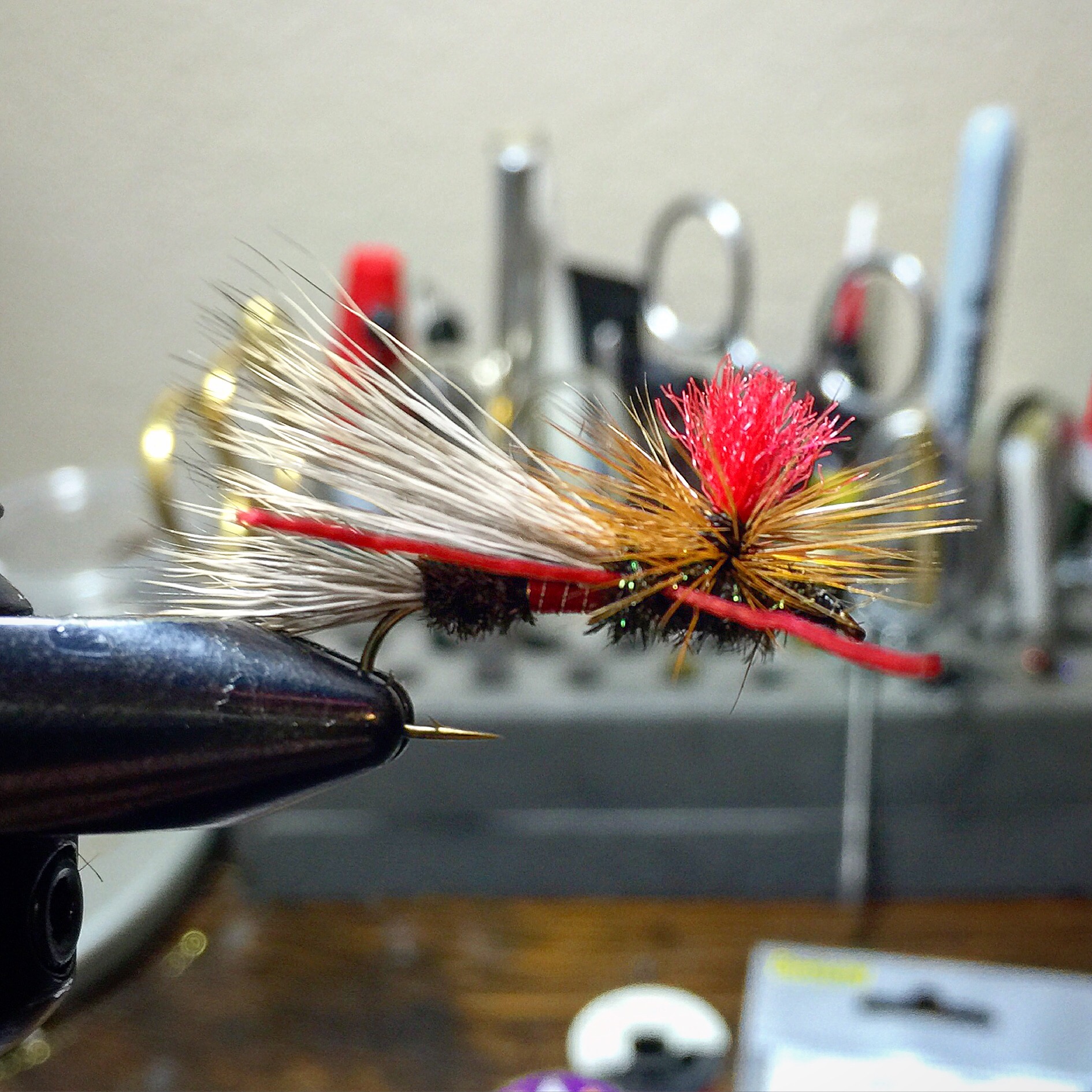
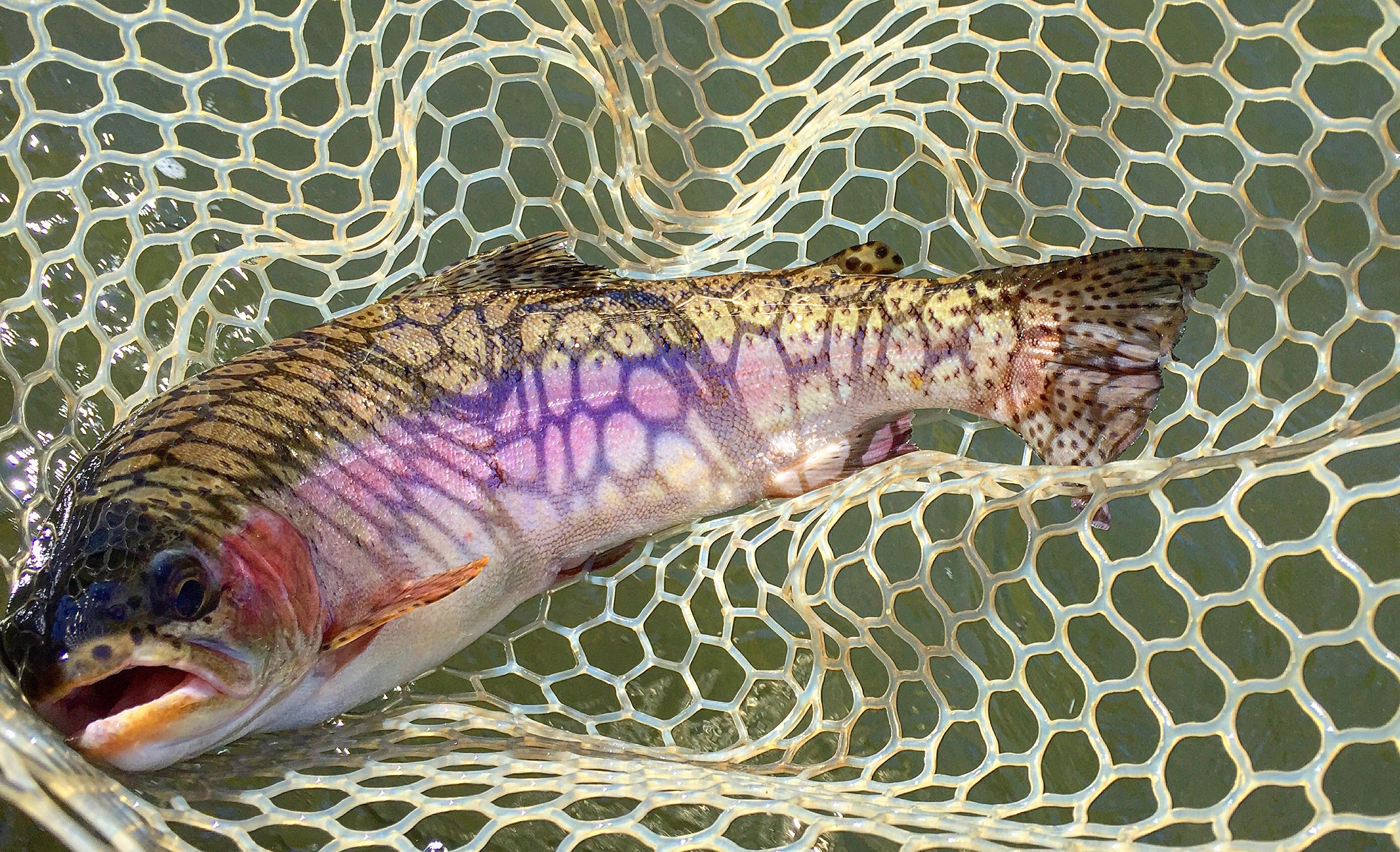
We will start with the Mayfly side of the dry fly game in the upper river.  We are looking at the same riffles we were for nymphing with mayflies.  PMD’s in the mornings a size 16 yellow mayfly dry, afternoons drakes, a gray or green size 14-10 mayfly dry.  Evenings a smaller gray.  Usually a standard Adams will do the job.  I use the reach cast a lot on riffles to get a nice drag free drift.  The trout hit fast and usually sneaky, even the cutties.  They like to hold position so as the fly comes to them they rise up and feed in a rhythm.  Try and cast on the rhythm if you see them actively feeding.  I usually find pods of 5 to 20 trout in these areas.  After you hook a few they will spook.  Give the riffle 2-10 minutes before recasting to let the fish reset.  I like a longer leader here so I don’t spook fish too.  Water is typically gin clear remember so fish spook easier.  A 12 foot leader down to 4X or 5X if the trout keep refusing flies.  Casting upstream and across the riffle.  Work the closest spots first working your way out across the riffle with longer casts.  The reach cast helps with not having to mend a smaller fly in faster water.  I usually anchor the boat in these areas.  Work the riffle in stages, working down the riffle.  Giving the fish ample time to reset in between netting trout.  I have sat in a single 30 yard riffle for 30-45 minutes and had clients catch 6-10 trout each before moving on.  Take your time, those cutties are sprinters and like holding in that faster water.  They can hide in the broken water surface and their camouflage is better suited for it over a rainbow.  They are a more slender fish, less bulky and can sit in fast water.  It’s also why they hit the fly harder, they have a split second to decide if they want to eat it.  When they make the commitment to the fly…its usually spectacular.  Nothing better than a big 16 inch cutty with shoulders rolling fast and hard on a drake dry fly in a riffle.
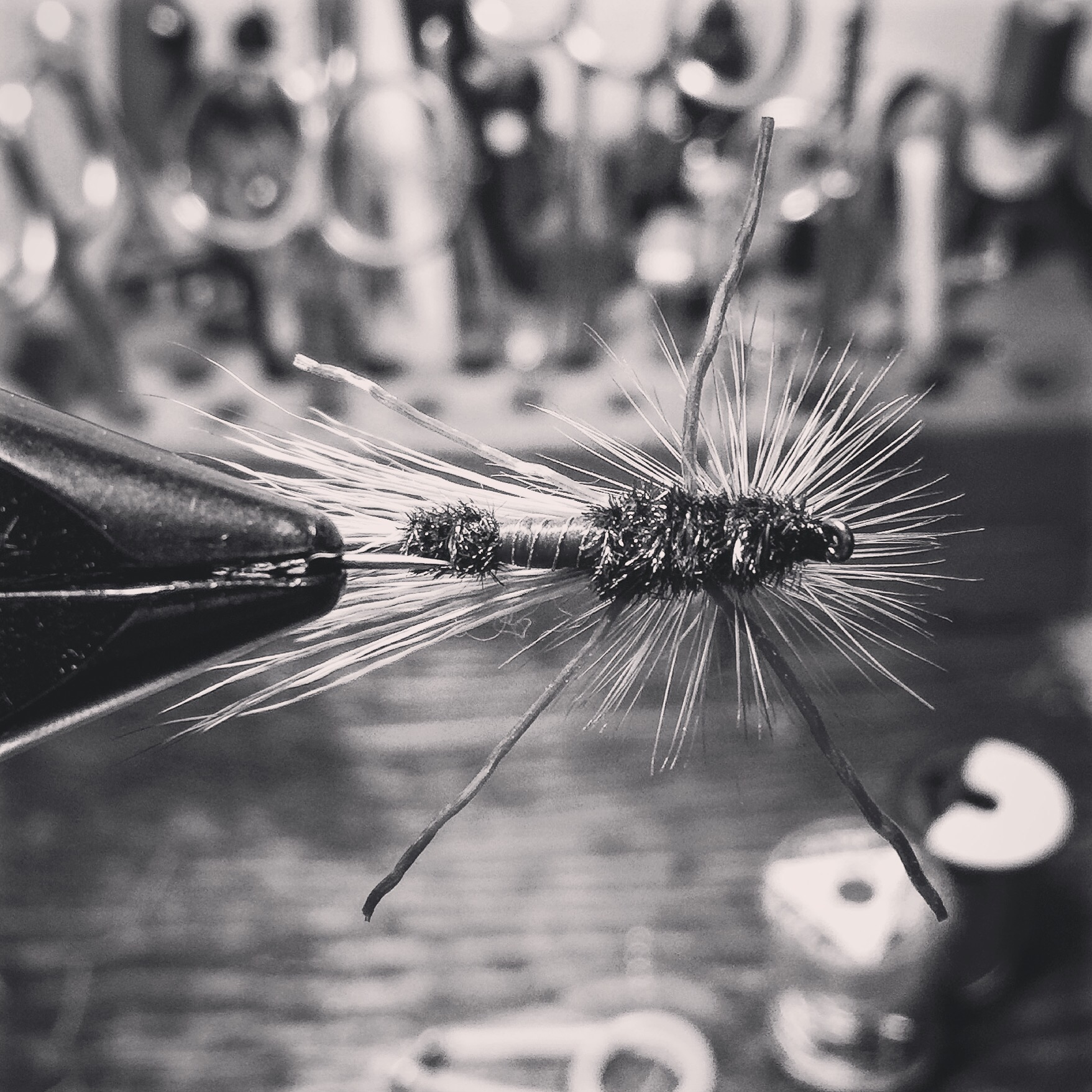
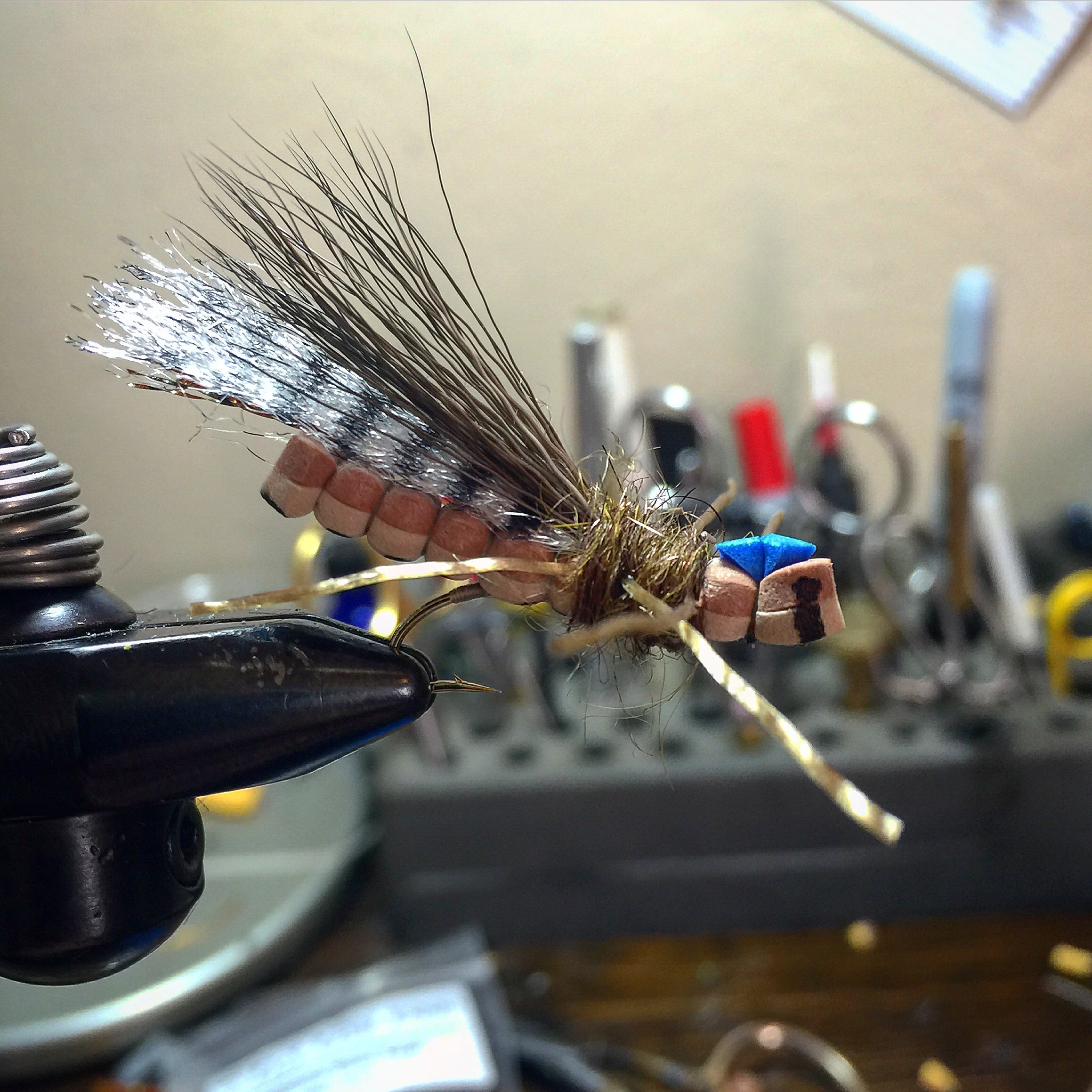
Big dries.  We have stones and hoppers just like the lower end and we are fishing the same type of water for the most part.  There is just less of it in the upper river.  When you find long straight areas of bank, with grass, undercuts, trees, and overhangs, this is where you focus the big dry game.  Get them tight, and twitch them.  Look for cutties coming out of nowhere and big rainbows sneakily sipping them.  Also target logs, log jams, deadfalls, big boulder gardens and that for stonefly dries.  The stoneflies congregate in these areas when they hatch.  These are also good places for trout to hide from predators.  With gin clear water, trout are always looking for cover up here.  Keep that in mind when reading water.  If you’ve got pocket with a log, or overhang, little shade, there is a fish in it.

Keep in mind the time of day.  As it is more of a factor in the upper.  Trout up here feed on a schedule.  They eat more as the water is really fast up here, so they gotta put more in their bellies.  Your tactics should resemble the schedule of the trout.  Fishing nymphs in the morning pre mayfly hatch.  Switching to mayfly dries around 9-10 am, unless the hatch is earlier.  Then switching to big nymphs before the heat of the day.  Then moving to hoppers and stonefly dries as 11:30-2:00 pm hits.  Then switching back to mayfly nymphs pre drake hatch.  Then to mayfly dries from 2:30-4:00.  Then back to big bugs to get the ovipositing female stones.  Caddis into the evening or sticking with stones.  Streamers plugged in there throughout the day when good areas of the river present themselves.

Streamers in the upper.  I fish the same rig, fast sinking sink tip as in part 1.  And I will have clients target the same types of areas that we do in the LC but there is a lot of places to swing flies for trout in the upper.  There are large drop offs, shelves, and boulder gardens that hold large trout waiting for a big meal to swim by.  A guide that puts a streamer rod in your hand at 3-6 spots in the upper river means he knows there is a chance at hooking into a big ol’troot.   Listen and enjoy.  The cutties like to chase smaller streamers.  I use smaller size 8-6 streamers.  Again a conehead bugger is my go to.  Stripping the streamer through the top end of the target area and then swinging it out the bottom, or just swinging runs steelhead style can be very productive.  Swinging flies instead of stripping through boulder gardens, drops offs, and shelves and letting the river do the work for you can make for some fun times.   Fish hit hard on the streamer and usually peel line in the fast water when they do.  This brings us to playing fish in the upper.  The most important factor for a successful day.

BigFIsh3

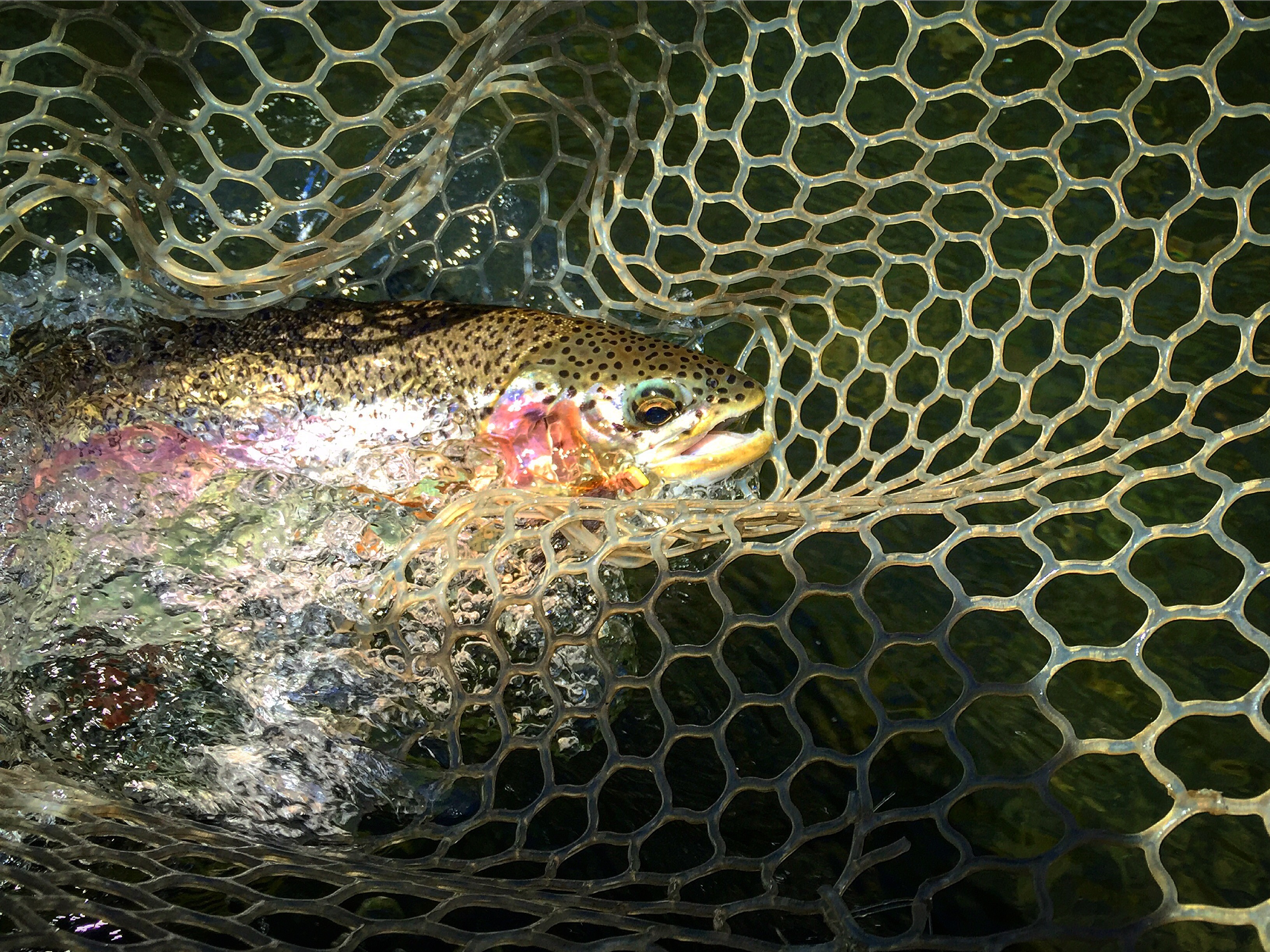
The upper river current is way heavy.  Lots of elevation to the river here so its moving.  This gives the trout the advantage.  They can move up and down get slack and roll off easy up here.  Playing the angles and working the fish into and out of the currents is how to win.  You will lose a lot of fish up here.  They just know how to play the game.  I watch fish outsmart anglers and guides all the time.  It happens in my boat lots.  It becomes a team effort sometimes to land these wild trout.  If your guide isn’t coaching you through the battles you need a new guide.  I have my clients change angles, feed and take line, work the fish into and out of current to tire them out.  Otherwise the fish typically win.  Especially with newer anglers.  The whole ball game in the upper river just becomes a bit more involved then the LC and the same tactics that work down low don’t have the same success rate up high.  If your guide is doing a big long stretch of the upper and not changing it up throughout the day and getting really intimate with the fishing…you need a better guide.  It’s just what is required up here. Shorter floats, more rowing, more time in the spots.  Stalking fish, sight fishing for them, working the water, sometime is takes 15-30 casts before fish hit.  There are less fish up here so you have to spend some more time with them.
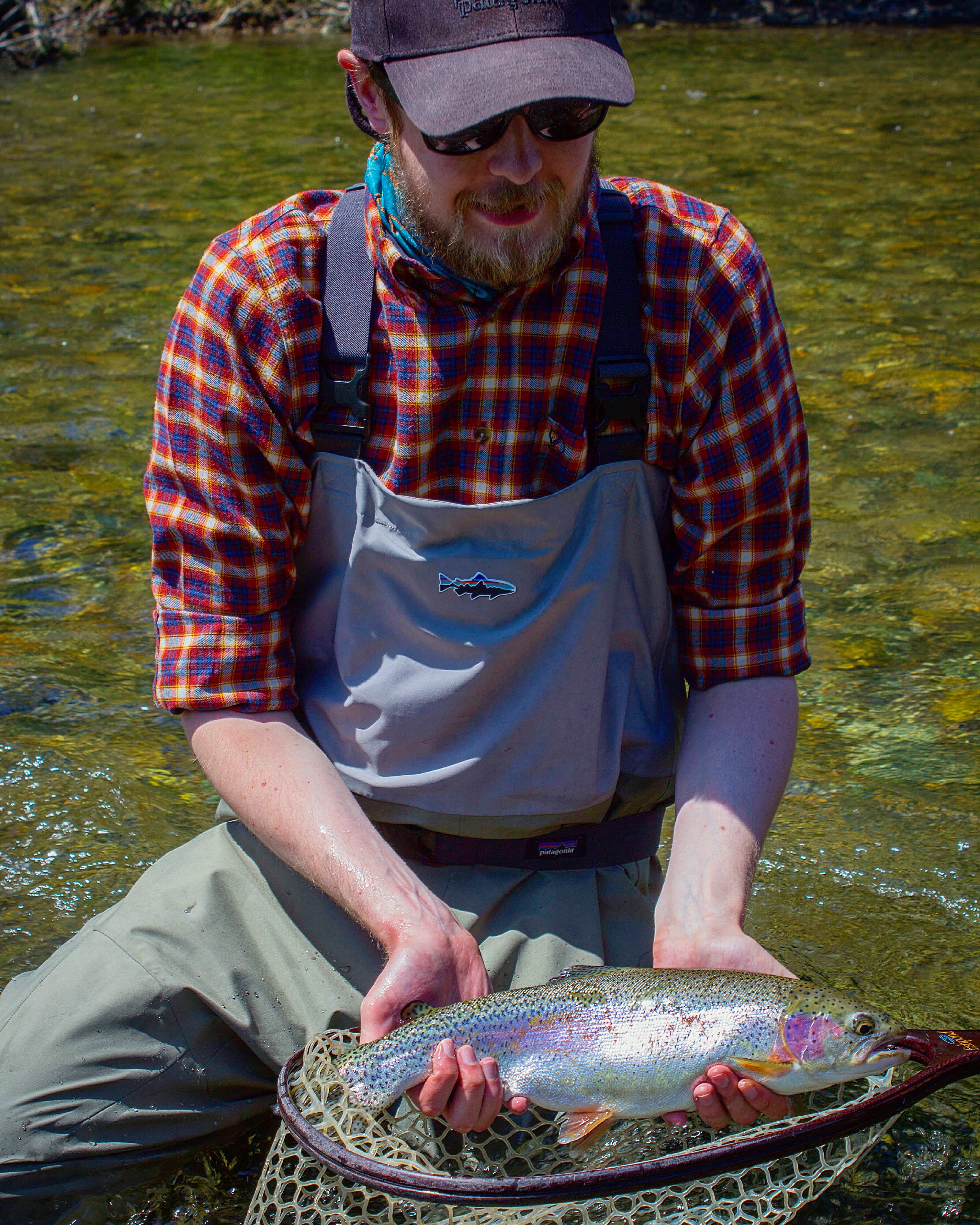
So there you have it.  Hopefully those of you that come fish the upper on your own and have a hard time in the summer are helped by this.  If this kind of stuff sounds awesome to you and you want a challenge from your trout then booking an upper river trip is a good route.  Finding a good upper river guide is key.  There are only a handful of us here that really know how to fish the upper.  It changes a lot and is more effected by dam releases and weather so a guide that is really in tune with things will up the fun and success factor.  I have availability all summer, we have about 65 days of this kind of fishing headed our way.  Give me a call, send me an email, and book a trip.  Let’s go chase some trout in the Upper Yakima River.


Tamarack
13063471_1254333124658191_743876405446770285_o

Summer Fishing Techniques on the Yak: Part 1 The LC

LC1

This summer season here on the Yakima is going to be unlike one we’ve seen in a few years.  We have water.  Not 100% of normal but not 36% like we did last year either.  Before irrigation ramped up we were at 86% or normal for water storage.  That dropped a bit but we went on storage control early which has kept the cold snow melt water in the reservoirs.  With a cooler than normal summer and a wet and mild fall predicted this season is as close to a normal year as we have had in several.  And the trout are noticing too.

The summer time on the Yakima is always a good freaking time.  Big water, big bugs, big trout, and big smiles.  Hoppers are almost upon us, these cooler 70-75 degree days are keeping them at bay…which will make them pop really good here in a week or two.  Hell, its been sprinkling in the upper today while the clouds roll over.  We did just have two wildfires yesterday though so it is summer time fo sho!  The lower and upper river do different things in the summer time.  Let’s focus on the lower end for part 1 of this blog entry.  We will go over the Upper River in Part 2 which will post tomorrow.

The Lower Canyon or LC:

The LC is a fun game to play in the summer.  There are three main bugs happening.  Summer Stoneflies, Hopper’s, and Caddis.  There is a PMD hatch in the morning, but we will focus on mayflies more in the upper.  If you find a pod of trout feeding on mayflies before 10 am go for it.

Stoneflies and Hopper’s are fished the same way.  A large dry, typically tan in color, but I play around with different colors all season long.  I do like the purple chubby, but I also like classic patterns like the PMX and Dave’s Hopper. Size 10-8 typically.  I use a 4X or 3X 9ft-12ft leader and a faster action rod with a little more backbone in it.  The Redington Vapen 9ft 5Wt is my client rod.  I like it cause it can throw everything well, and punches into that lovely LC wind we get.  Flows in the summer time hover between 3800-4500 typically.  So stiffer rod to fight fish fast in the heavy water is important.  We like to net fish quick and get them back in as the summer heat comes down.  This year it looks like we are going to be right around the 3800-4000cfs mark for the first part of the season.  May drop as we get into August but it isn’t supposed to get as hot this year.  Water temps yesterday were 58 degrees after a three day long 85 degree stretch.  So that’s awesome.  Upper river is still sub 58.  The flows in the summer time in the LC make the trout chasing really fun.

img_3931

In the LC when the flows get up around 3800 plus the water does something pretty cool.  The middle of the river has flow that is super heavy, but the edges, typically 10-20 feet on either side of the river between the bank and the middle, almost form one big long eddy.  With small backflows, undercurrents, hydraulics, and soft pockets because there is so much flow that the water literally slows itself down along the banks.  It makes rowing really fun.  I pick shorter stretches and hug that line all day riding the soft edge that the heavy current makes.  Slow consistent oar strokes keeps the boat going nice and easy.  The reason for this is because it gives my anglers lots of time to cast dries and streamers at the bank.  There is a ton of fish in this river down low, and when those flows come up, they all head to the banks to sit in that softer water.  They waste less energy there, all the food is there, and its the only place they can hide from predators and anglers.  They tuck in tight.  Like really tight.  Up under the grass, literally in the bank.  Riding the little shadow spots and pockets waiting for food.  Chilling in the shade, just hanging out, waiting for the food truck to come by.  So when I slow my boat down and give my clients a bunch of time to cast into every little spot that a trout could hide, we end up putting big numbers in the net.  That’s how it’s done.  Which brings us to trout food.

Summer Stones crawl up to the banks and logs and into the grass and hatch, typically in the late morning and again in the evening.  They mate during the heat of the day a lot of the time, and the males die off while the females return the river surface and oviposit eggs.  Trout key in on these big tasty bugs throughout the day.  When they are mating during the day the wind can blow them off into the river where big trout are waiting tucked tight to the bank.  When the females come back to lay eggs trout will chase them down and aggressively feed on the skittering turkey sandwiches.  Throwing a size 10-8 hair wing stonefly dry or chubby style dry tight to the grass, rocks, and logs is the name of the game.  Key in on shady little slivers along the edges.  Seam lines and foam lines as well.  Big trout are super tight to the bank.  Like 2-4 inches.  Don’t be afraid to twitch the fly too.  Stoneflies don’t sit still.

Grasshoppers, are hanging out in the grass…hopping around…being all grasshopper like.  And they are kinda clumsy, so they fall in the river a lot.  And trout are all over that.  Crunchy grasshopper legs are a big summer trout’s favorite snack.  They twitch and try and save themselves but those bugs are goners.  If the trout don’t get to them the birds will.  Grasshoppers get active in the heat so throwing big foamy flies with legs tight to the bank, keying in on the grassy areas as prime real estate, during the heat of the day is how to play.  Trout like the shade when the sun is high so look for those little shady slivers tight to the bank again.  I like smacking the grass and tuggin’ the fly into the water.  Super natural.  You risk losing a fly or 5 but use 3x tippet and a shorter leader.  Like 7-9 feet, and just lock that distance in.  A good oarsmen that can hold the line for 50 plus yards of river at a time and keep the boat slow really helps.  You end up not having to false cast, and you just drop casts right on the bank over and over.  Hopefully dealing with trout every 5-20 casts.

Caddis…Caddis are wicked fun.  And the game hasn’t changed since Mother’s Day.  After about 5-6 pm; if they wind isn’t too heavy and it has been 75 plus degrees during the day.  The caddis will start to come out.  You will see females oviposting throughout the day typically but the hatches come off at dusk and into the evening.  I like any size 18-16 caddis dry.  Small is good.  Something with a good stiff wing.  I like the X-Caddis, Cutter Caddis, and I tie a few of my own.  Nothing better than a LaFontaine Dancing caddis in my opinion.

As the light fades and the hatch starts, you might see shoulders and dorsal fins of trout break the surface as they feed on the emerging caddis.  If you see this behavior along the banks, I throw on a non weighted sparkle pupa 12-16 inches below a large dry and hang on tight.  Or axe the dry and use a small tuft of yarn in a blood knot 18 inches above the sparkle pupa. If you see noses breaking the surface the dry fly is where it’s at.  Cast that bad boy tight to the bank.  I mean in there.  Those big boy trout will gorge themselves into the evening on those things.  It’s typically all they eat.  They feed heavy during the safest time, and chill the rest of the day.  Survival dudes.  When the light gets too low to see the fly, fish blind for about 15 more minutes, then switch to streamers until the take out.  Trust me.  It will work.  (You could get really crazy and strip mice patterns to the take out in the fading light…but that’s not something we talk about;)

Now.  I change it up and I’ll throw streamers Montana Style as I like to say as opposed to swinging them in the upper.  I use a fast sinking sink tip. At least 4 ips but 7 ips is better.  I like it short.  Like 7 ft.  You can buy 10 footers and cut them or try and find 7.5’ers.  I just make them out of T1 and that.  350 grains-425 grains is preferred.  I tie a 12 inch piece of 8lbs mono on the end with a loop to loop connection or a blood knot, tie on size 6 olive colored streamer.  It doesn’t really matter which style.  I am partial or standard cone head buggers with marabou tails and a few strands of krystal flash out the back.  Change the color scheme up from time to time if you aren’t getting any followers.  I go with white and olive first, switch to black, if I still ain’t getting nothing I go a size smaller.  Still nothing…go two sizes bigger.  After that throw something super flashy or go back to the dry.

I have my clients chuck that streamer as close to the bank as possible.  Hence the 8lbs test.  You will hook trees and that, so a good tug is required sometimes.  Plus big trout hit hard.  When the streamer slaps the water you let it pause and sink.  Counting it down 3-5 seconds.  Why we use the faster sinking head on the setup.  Then you strip in 6-12 inch strips straight back to the boat.  After about 5-10 strips pick it up and sling it back in there.  Rinse and repeat.  Over and over.  Soon enough you will see trout come chasing off the bank for those things.  I start out stripping fast, a strip every second or even faster.  If I get followers or tagged by fish but no hook ups…I make the last three strips slower.  Give the trout time to get the fly in it’s mouth.  Target the same water you would as dries, but you are trying to get the fish to peel off the bank and go after the baitfish.  Also target boulder gardens, small fish hang out in these areas, and they are not always up against the bank.  Also look for areas there there is slack water above, and faster water below.  Small fish will hang out in slack water, and big trout hang out below it snacking on the little fish that get swept down river.  Streamers are best in low light, mornings and evenings but if the activity during the heat of the day is slow on hoppers, I go to a streamer before I go to a nymph.

Streamers work in the summer because the water temp is up so fish are active, that metabolism and cold blooded thing about trout, and the flows are up so they are burning a lot of calories.  Baitfish are a big meal and a trout is more inclined to chase its food when the water temps are up and they need big meals to keep themselves going.  Survival man.  There are a ton of smaller fish like salmon smolt, baby troots, scuplin, that get bounced around in the heavier water, and salmon smolt are on their way to the ocean during this time, so predatory trout and big fish especially, are looking for meat!  Streamer fishing is wicked fun and not a lot of people do it.  It takes some skill but mostly confidence in casting big furry streamers.  I can get new anglers into the groove in about 25 minutes of instruction if they’ve never done it before.  When you get two anglers slinging streamers alternating each others cast…and then trout start hitting hard…its really freaking cool.

Nymphing in the summer…not so much.  Trout will eat a dry or a streamer.  You don’t need to look at an indicator.  I rarely do.  You have just as much chance sticking a fish on a dry on a slow day in the summer as you do on the nymph.  And no one wants to look at an indicator all day.  That’s not the case in the upper though.  If your guide has you fishing the middle of the river in the LC on a summer day with indicators on…then you need to find a new guide.  Those fish are in the bank, not in the middle of the river in the LC.  If I do nymph.  I throw a small size 16 attractor nymph.  Typically a purple lightning bug or something.  Under a big dry 12-20 inches or under an indicator 3 -4 ft.  And I fish the same water I would if I was dry fly fishing or streamer fishing…because that’s where the trout are in the summer time in the LC.

There ya have it.  A breakdown of how I and my clients chase trout in the LC on the Yakima River.  It’s a fun game to play.  The LC is a beautiful stretch of river.  Especially on a weekday.  There is something pretty special about floating big water in a big canyon chasing big trout with big flies.  We have about 65 days of this headed our way.  I fish and guide all 70 plus miles of the Yakima River.  Give me a call and book a trip.  Let’s go Fish The Lower Canyon.  #FTLC


Tamarack

img_4100


Couldn’t Think of a Title


Stop…Hopper Time.  We all know what that means.  Super awesome fun times with dry flies, big water, and big ol’ trout.  Just amazing fishing this season on the Yakima River.  We have lots of water this season, and the flows just jacked up to summer time levels.  The weather has been hot and that has spurred the hoppers into fruition.  The forecast for the next 10 days in the upper is a high of 75 with sunshine, the lower is high of 85 with sunshine.  SO….its time to book a trip and go chase some trout.

I encourage all anglers to shop around for guides, there are a lot here.  I can guarantee you that our local independent guides here are the best of the best and if I’m booked, I make sure to refer clients to other independents like myself.  You can book a local independent guide for way less than the outfitters, have a more personable experience, support a small business owner, and if you book with me, we can fish areas of the river that others don’t frequent.  There is 70 miles of river to fish, and about 75% of anglers and guides fish the bottom 3rd of this river.  Fishing the upper river in high flows, 3400 cfs today, takes a bit of skill and these fish are wicked fun in that heavy water!

Business plug out of the way, on to the next public service announcement.

The past three days I have been at home with the family enjoying the lull in tourist activity before the 4th of July weekend descends upon us.  I have a different opinion of our Independence Day celebration after working in the outdoors for a bit.  People get really stupid when fire, alcohol, dope, and colorful explosives are all put together.  Especially when they are out in the woods away from the city and that.  So, before the haters descend upon me, go out and have a good time this weekend, but be smart, just about everywhere in the county is off limits to fireworks, and fireworks are banned on all public lands, no exceptions.  Enjoy our Independence, like responsible Americans…please.  And pick up your trash and don’t put rock dams in the rivers.  Otherwise people like me and my family, and the great volunteers with TU and other organizations have to pick up after you.  Hold your friends accountable, no matter how intoxicated, and clean up your mess and respect the rivers, woods, and wild places.  Because I don’t like having to go in the few days after and see the aftermath.  It cuts into my fishing and snorkeling time and that’s about the only thing I get peeved about these days.

Alright, now on to more insightful things that involve trout and rivers, flies and smiles.


I have had the amazing opportunity to be on or in the river a lot this past month.  It’s a special and very humbling thing to be able to do what I love everyday and support my family and live the lifestyle my wife and I love.  It is the peak of the season.  I have been enjoying the few days off in between runs.  It has given me a chance to go explore the headwaters on my own for a day, it also allowed me to spend some time at home with my kids before they leave for a road trip to their grandparents in Idaho.  Gone for two weeks while Dad and the Dog chill at home.  I’ll be running trips like a mad man, tying flies, and playing this sweet new video game I got.  (I pile new video games up during the season and then binge play them while the snow falls during the winter.  My son starts playing them before me and gives me spoilers.)  Having a few days off also gave me the chance to snorkel the Teanaway a bit more and get more in touch with what is going on under the surface.


Lets be honest, that river is fishing like crap.  I hate to say it like that but its true, and I should know, I’ve been up there a lot lately, and I have been fishing it pretty regularly for several seasons. It used to be a haven for the summer time angler with no boat.  Big cutties, eager for a dry, bigger flows, and less people.  Sadly, last years drought, coupled with the immense amount of people traffic and irrigation usage has sucked a lot of the life out of the beloved Teanaway River.  Every time I drive up the valley I see the river gasping for life.   I see Mount Stuart, looming at the head of the river, angry and foreboding, as if shaming those of us below.  It is not until I venture away from the pavement and away from where people congregate along the banks of the river that I find life again.  There is an amazing difference in the presence of fish above the ‘No Fishing’ areas then below.  The caliber of fish the higher up you go into the Closed Waters section amazes me.  It is reminiscent of what the entire river used to be like.  Only 6 years ago the river was so much different.  And where people are no longer allowed to fish, only then does the Teanaway seem to show her true self.  The only way to experience it…is with snorkel, fly rod not allowed…or needed honestly.  I have no desire to fish the Teanaway River these days.  I long for the days I remember, nostalgic for a time when fishing the Teanaway River was an incredible experience with absolutely astounding and amazing wild trout.  Some that defied belief as to their ability to even be in the river.  Wild Westslope with peculiar spots, rich hues of rose, gold, and blood orange, large and gnarly, like aquatic mountain goats venturing further and further into the intricate pools and rapids of the river.  They are all but gone, a few still residing high in the river where they are only pestered by predators, the occasional dirty poacher (asshats), and people like myself…snorkeling trying to understand and learn more about them.  To bring their home back.

img_3972

This spring was quite the sight during runoff.  The Teanaway River was a torrent of angry vengeful water, running over 6000cfs at one point. She was so heavy there was flooding in areas, she wiped out hundreds of thousands of dollars worth of monitoring equipment, she reformed the stream-bed in places, pulled new logs and dead fall into her embrace, all while washing away the drought and forcing nutrients and life back into her waters.  But yet again she is hit with low water, the snow melts too fast, and the water gets pulled out to quickly before it is able to reach her bigger sister the Yakima.  That disconnect between the two rivers is very bad.  They need each other, and whether we all want to admit it or not, we need them both more than ever.

The Teanaway is like a smaller version of the upper Yakima, like mirror images of each other, but the Yakima has dams that make her bigger.  Without them the Yak would be very similar to the Teanaway and Cle Elum rivers.  As we see these negative things happen to the Teanaway it is only a precursor to the problems we will face on the Yakima.  Everything flows down stream, and when you lose the headwaters, the entire system falls apart.  The headwaters are the heart, the brain, the most important organs of the entire watershed.  Moreover, than any other thing though, the headwaters are the womb.  They breed life.  Without them…the system dies.  Headwaters Matter.  It’s what drives me to work in conservation. I do a lot of it and one day I hope to share the Teanaway with my children and grandchildren and no longer feel that nostalgia. That’s the goal, a life goal for me. 


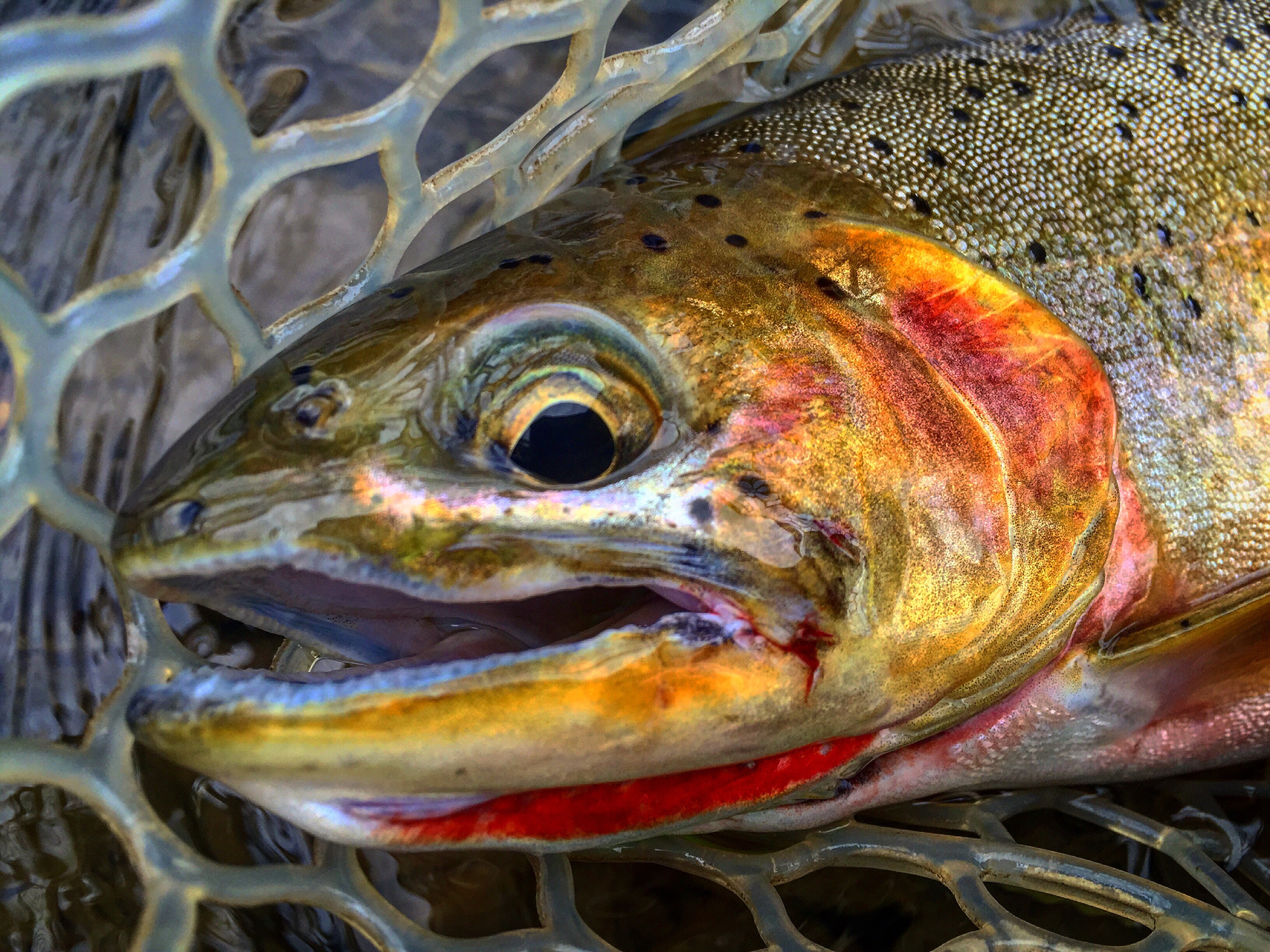
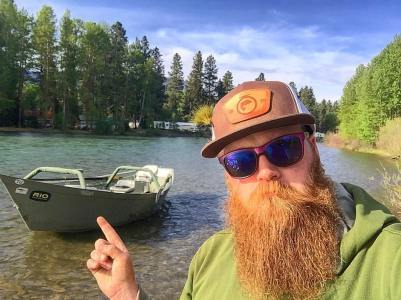
This is why you see my hog and my beardy face up in the headwaters most of the time.  I have been in the LC on the Yak a bit, I try and avoid the weekends, its starting to get crowded.  I encourage anglers looking for a guide trip to pick a week day.  There is still opportunity to have any section of the river to yourself during the week.  But part of the reason I spend so much time in the upper river is because it is my stomping grounds.  I started wading up here before I bought my boat, exploring the main-stem Yak and all the tribs with a passion that is slightly subdued nowadays.  I visit my favorite spots, I’m running out of new spots but I still find new and amazing things every time I am on the river.  Fishing the Upper Yak reminds me of the Teanaway too.  The Cutthroat are here, and they are by far my favorite fish.  They are a funky trout, that can be as frustrating to trick on the fly as their wild rainbow cousins, but they also are some of the fastest fish I have ever met.  Watching them in the wild with a snorkel shows that even more.  They live in some very cool water, sprinting through rapids with ease.  They are smaller and slimmer than a rainbow, but they are faster.  They don’t have the strength and ferocity of a rainbow, but they are quick to the fly, and make reaction time a key element of tricking them.  I have seen some of the biggest cutthroat of my life in this river, mostly watching them head back down to the depths after missing them on the fly because they are faster than I.  My fascination for them, the how, what, and why of what makes them so unique and distinct compared to other trout envelops my trouty brain.

I had a few moments with Cutthroat on the fly this season that will stick with me forever.  I have shared many of these moments with clients.  That’s what its all about for me.  Those moments.  The tug is the drug for some, that moment of fish and angler meeting…that is what its all about for me.  When wild animal and human interact.  It can be even more intoxicating when snorkeling with them.  Watching wild cutthroat in their natural environment just being trout…its fascinating.  Tricking them with a fly is the preferred method but sometimes its unnecessary.


I am addicted to invading that world whether by fly and rod or snorkel and fins.  In reality it is the world.  Just a smaller version of it.  Put aside the technology, the politics, religion, violence, all the noise….and there in front of you…life is there…doing what it does…passing you by.  Slowing everything down with a finely timed cast, a good stroke of the oars, a fly landing perfectly, or a good long swim through a big deep pool taking in the wonder…that’s what my life is all about…that’s all I want life to ever be about.  Come share it with me, unplug from it all and come plug in to all the stuff you are missing.  No cords required, no charging except that of the soul, the ultimate network…come get some.  Will do ya good.

Now I’m unplugging.  New blog after fishing this weekend.  Check the FB and website for a river report.  Will have flies for sale up when I get around to it.


Oh and I’m on Gink and Gasoline in a sweet video talking about trout and stuff.  Check it out here:

Gink and Gasoline Vid

Tamarack


Riverside Fireside


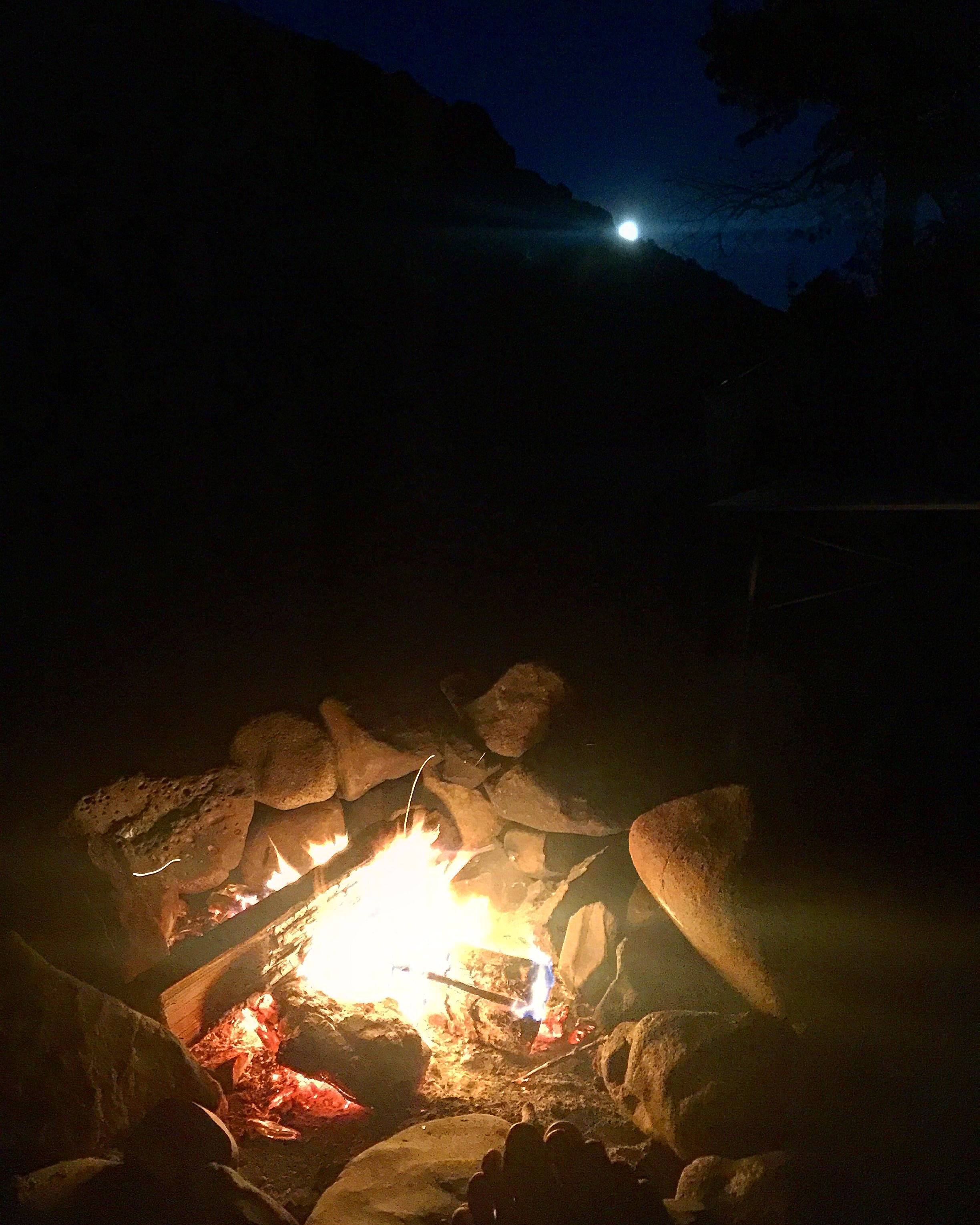
I am swinging in my hammock, the bright moon quicksilver on the river surface. The sound of the run constant, along with the crickets and the slight breeze reverberating amongst the cliff walls of the Upper Yakima River Canyon. 

My clients slumber in the tent. The fire out now, I have a smoke and listen to a few of my favorite tunes while I write this blog. The fishing has been slower, I’ll admit, but we have had some memorable trout.  The conversations from today have left my mind full.  I have this unique opportunity and I feel very forunate to be able to share life with others over fly fishing. I have become a well rounded individual through this activity and the people I meet and share it with. My clients return to fish with me and come all the way from Texas in some cases to share time on the river with me, support my family, and learn all that fly fishing has to offer. And I’m not just talking about the trout and the skills it takes to trick them. 


The conversations I have riverside and fireside are some of the only conversations that stay with me, impact me, guide me not only as an angler but also as a man. I feel this organic and primal connection to the world that trout inhabit. Our world…my world. The world without cars, or phones, or stress, or jobs, or noise. Just a rising trout, a good cast, and a smiling face, that’s what’s out here. When you get right down to it, from the surface it looks just as simple as that. A rising trout, a good cast, and a smiling face. But underneath, there is so much more. Just like the quicksilver laden river surface before me that continues to distract me from writing; there is much more going on under the surface. 


Fly fishing is intricate, in so many ways.  Much more than a rising trout, a good cast, and a smile. Ponder all the things that happen between all those casts at rising trout with smiles following?  

There is much to this fly fishing thing. Even after 11 seasons riverside I learn more and more every time I come to the river. My skills for trout may be at their pinnacle, but there is so much more to this activity than my ability to trick and catch these wild trout. 

Spending two days with clients allows so much more to develop between anglers and guide. I also cook an okay steak for dinner, have whiskey handy, and make a damn good campfire. There is much to be said about conversations over a campfire next to a river. That raw connection to the fire, the wild around, and the people you are sharing it with has meaning, gives sustinence to the mind and soul, brings balance. Not Facebook comments and Twitter posts, or Instagram feeds or text messages, turn that shit off, put that shit down, and look me in the eye when we talk, laugh and smile with me, enjoy the birds, trees, warm fire, and fish and non fish stories. 


There is something special about sharing an evening on the river with others. Even as I write this I realize that right now, with 97% assurance, my clients and I are the only people on river this evening.  And we’ll be the first ones on it in the morning. While every other client and guide is standing in line to grab their coffee and breakfast before hitting the river at 9am,  I will have woken with the sun, had my coffee made with water from the river, drinking it with my toes in the river while I sit on the bow of my boat.  We will have been fishing and enjoying the river for a good hour before everyone else. And I’ll have cast to trout in the morning before my clients wake.  There is something special about sharing an evening on the river with others. 

Have a good evening. I know I will. 

By the way, I’m the only guide offering overnight trips currently.  

Tamarack

River Update 6/9/16

River update 6/9/16:

It’s amazing! Nuff said. 
The Golden’s are hatching, the PMDs are coming off like crazy in the upper, Caddis, and I saw blue wing olives today. Fish were a little slow at the start but once the day settled in they were all over dry flies. Some technical fishing, spooky trout even with the low light. All that sunshine just made them shy. As these rain storms move through and this lovely cloud cover and cooler temps stick around the fishing will only get better. 
Flows are perfect and water temps are cold! Took a 52 degree reading today. Finally hit 54 around 3. 

I nymphed during the first part of the day and just hammered them on PMD nymphs. Several ate the golden stone nymph too. Then I got bored so I switched to dries. They were all over it. I threw a double dry rig with a big golden up front and a small PMD trailer. Had them hit both. 

If it looks fishy…there are fish in there. I found trout all over the river. They have moved into riffles and the middle of the river in some places with this low light. They are keying in on pmds and Golden’s, found some picky fish that wanted one and not the other. Should see drakes soon!  
I’ve got Saturday this week still open! Who wants to throw dries and trick trout!?
Give me a call and get on the calendar. The upper is amazing right now!

Tamarack

Fly Tying Thoughts


I love tying flies.  I have never found another activity that I can lose myself in like tying flies for trout. Self taught at first but then studying under a mentor for some time really helped expand my skill, technique, and creativity. Learning how different material can help create a near perfect representation…not to the angler…but to the trout. I tie flies for trout, they may not look pretty enough for the bin, but trout don’t care about that…flies look very different to trout than they do to angler. 


Size, silhouette, shape, and to some extent color are the things that run through my mind before I throw feathers and thread to hook. Right now it’s Golden Stones. The skwalla rides low, is slow, and small, I tie a non foam pattern for it because those bugs are damn near sunk during the hatch. For salmon flies I tie big flies with moose main because it’s super buggy and floats like a cork. It also does a good job of making the fly look all twitchy without having to actually twitch the fly. Salmon flies are like big chinook helicopters, and when they crash in the water…they make a huge mess of themselves. They are clumsy as all hell. 

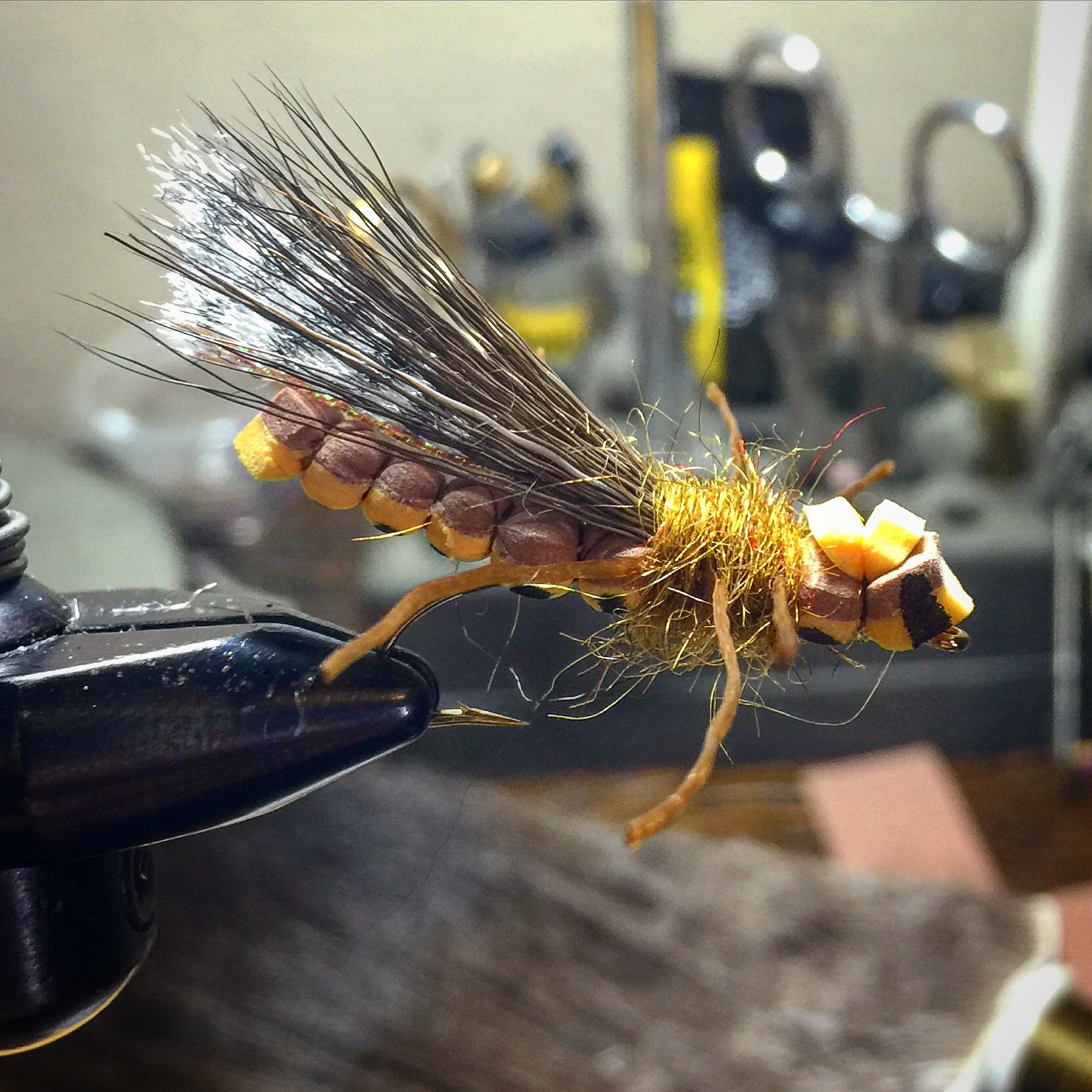
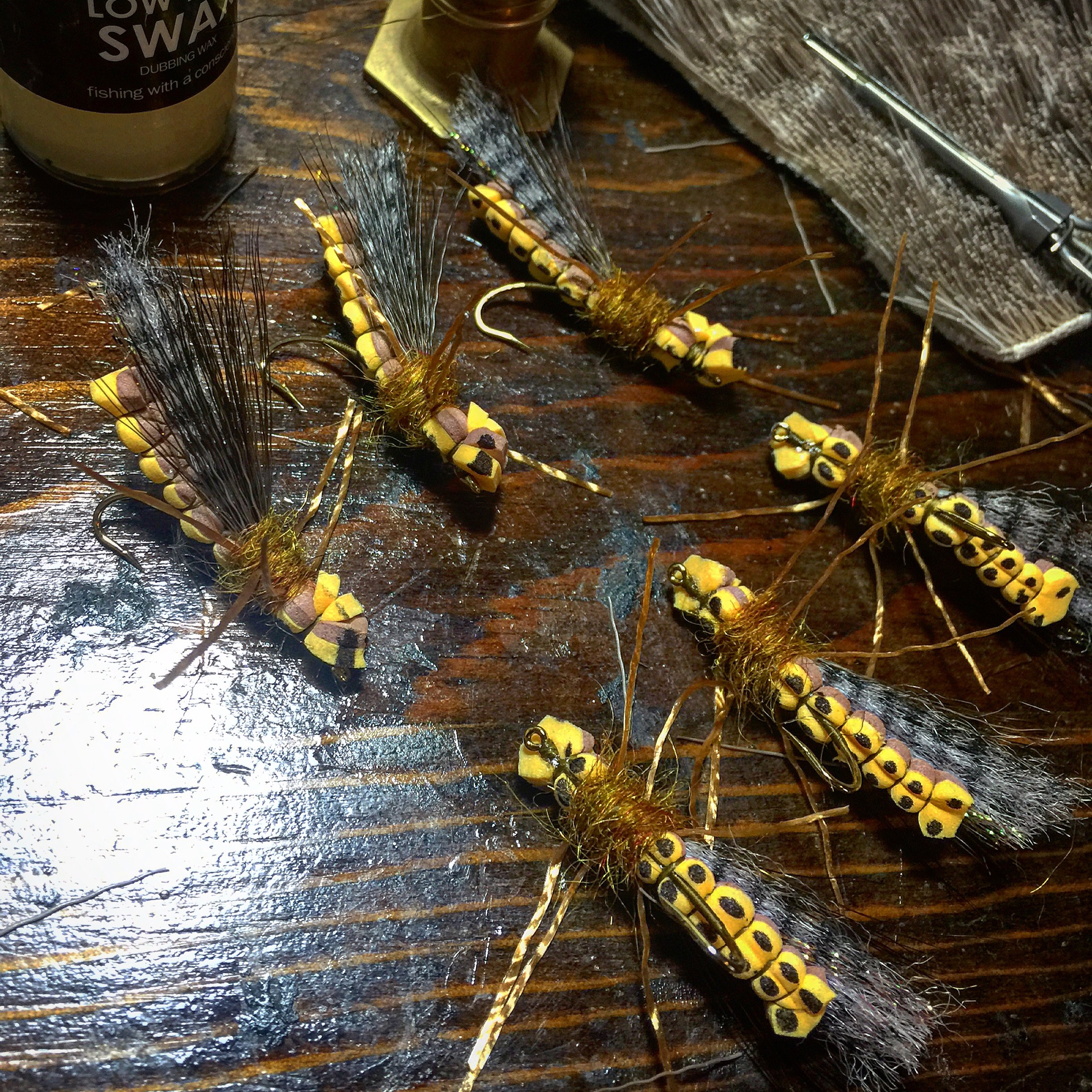
Golden’s though, they dance and jump like a mayfly when they hatch, they float high, and they move a lot. I tie foam for Golden’s, use moose for a dark flat good floating wing, and throw six silly legs on there to give the fly movement. I use yellow gold foam and color it with a sharpie, and I use a larger hook gap because fish like to play with Golden’s so a wider hook gap usually helps with fish that don’t get the large fly in their mouth. 


When I tie flies, all I think about is fish eating them. With every thread wrap another fish is tricked and netted and released. It’s like pre drinking before a party, warming up before the big game, or studying before a big test. Either way it’s a good way to prep before a trip. 

Anyway, I’m going fishin, hope to see ya out there. This season is gonna be amazing. 
Tamarack

River Update 6-4-16


The Teanaway River was absolutely beautiful today. The fish were spooky with the sunshine but they are in there. Be wary of where you walk…there are some spawning steelhead and large trout still in the system. I did meet our local WDFW enforcement while guiding, good to see them out and about up there. The water temps up high were 54, the Teanaway confluence with the Yakima down low was 61, so it’s a little toasty down low. Play and handle fish accordingly please. 


The Yakima has settled down a bit after an increase in flow for irrigators and this awful heat wave. Air temps go back down next week and there is cloud cover and rain in the forecast for next weekend…otherwise known as perfect dry fly weather. I have openings next week and weekend but they won’t last long, give me a call and get on the calendar, the Golden’s stoneflies are just getting started, and drakes are coming to the upper river.  
Tamarack
River Update 4/22/16

SALMON FLIES!!!

  
The Salmon Flies are starting to appear. A good 25 minute hatch today with a fair amount of bugs. Fish are still uncooperative and are not looking up as much as we would like to see but things are still settling down for irrigation and run off. 

We’ve also got March Browns and some Caddis. 

Fish are starting to feed on a schedule, keying in on hatches and hanging out in all the good water. Flows in the upper are still wonky but sections are fishable. 

  
The Teanaway is still making a mess and the flows are forecasted to be high for the next 7 to 10 days. That being said, as this runoff settles, fish should be more cooperative. 

We have lower temps, cloud cover, and light rain for the next 10 days. This should help get the river back into shape and make fish less hesitant to surface feed. 

  
We’ve got high winds and thunderstorms in the forecast for the weekend. But starting Monday things should be prime for some fishing.

I’ve got availability on the schedule. Give me a call and let’s go sling some big bugs for trout!

Hope to see you on the river soon!
Tamarack